

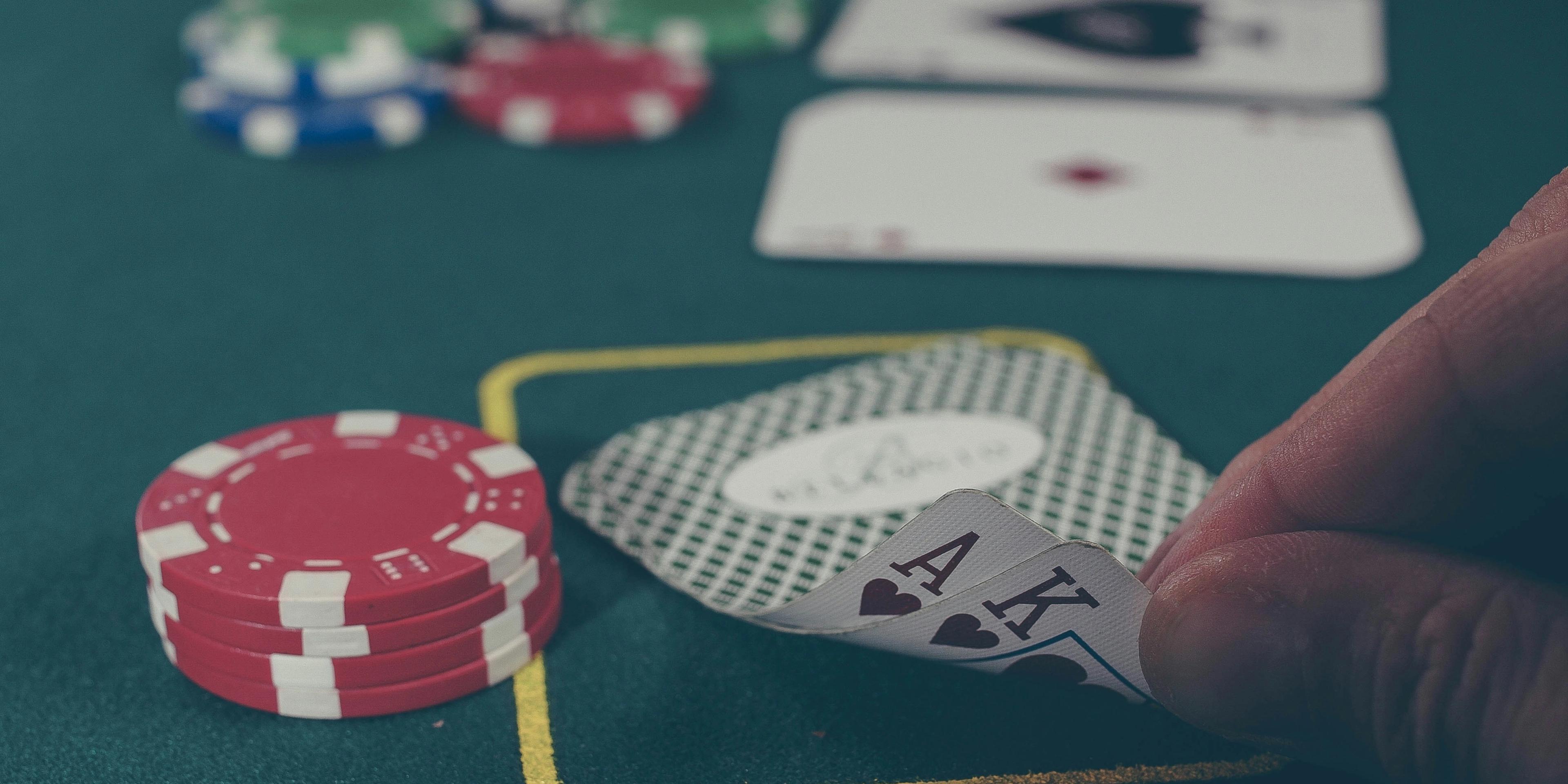
Gambling alone might feel like a way to unwind or stay in control, but over time, it can bring stress, secrecy, and a sense that things are slipping. You may notice it getting harder to stop, even when you want to.
No Dice offers a private, judgment-free space to explore what’s going on, without pressure or labels. You can take a closer look at your habits, understand your triggers, and move at your own pace.
In this guide, you’ll learn how to spot what’s driving you to gamble alone, manage urges in simple ways, and take small steps that help you feel steadier and more in control.
https://www.youtube.com/watch?v=6wPgLKylqUg&pp=0gcJCdMKAYcqIYzv
What Is Gambling Alone?
Gambling alone means placing bets or playing gambling games by yourself, without friends, family, or a group. You might use a phone, computer, self-service terminal, or play alone in a venue.
The experience often feels private and can occur at home, in a car, or late at night. It creates a very different environment from gambling in a crowd, where other people are present. The key element is solitude. You control the timing, pace, and visibility of your actions, which can feel freeing at first. There is no need to explain your choices or share your experience with anyone else.
At the same time, this privacy can make it harder to notice warning signs. Spending may increase, or you may begin chasing losses without realizing it right away. Over time, small changes can build without clear awareness.
Common Forms of Solo Gambling
Solo gambling appears in many forms. Online casinos and sports-betting apps allow you to gamble anytime from your phone or laptop, often without interruption.
Scratch cards, lottery tickets, and slot-style machines in smaller venues are also common choices. Betting terminals in pubs or clubs offer another way to gamble alone in a semi-private setting.
Patterns often matter more than format. Repeated short sessions, late-night play, or gambling during stress are common behaviors. Fast-paced games like slots or micro-bets can make time pass quickly, turning minutes into hours before you notice.
Who Gambles Alone?
People from many backgrounds gamble alone for different reasons. You may want privacy, wish to avoid judgment, or simply look for a way to step away from daily stress.
Some people start gambling alone because it fits into a busy schedule or feels easier than coordinating with others. Over time, privacy can become more important, especially if feelings like shame or worry about judgment grow.
If you are looking for private, non-judgmental support, it can help to know that quiet options exist where you can explore your behavior at your own pace.
Motivations for Gambling Alone
People choose gambling alone for a mix of personal reasons. Some want control and quiet, while others value privacy or want to avoid social pressure.
Personal Enjoyment and Relaxation
Gambling alone can feel like a simple way to relax. You set your own pace and focus fully on the activity without interruptions from others.
This sense of control can make the experience feel calm and predictable. For some, it becomes part of a routine, like a quiet evening activity or a break after a long day.
However, it helps to notice when relaxation shifts into longer sessions or more frequent use. Paying attention to your time, spending, and mood can help you decide if the habit still feels balanced.
Desire for Privacy
Privacy plays a big role in gambling alone. You may prefer to keep your actions and feelings to yourself, especially if you want to avoid questions or advice from others.
This privacy can feel protective, especially around sensitive topics like money or personal stress. It also allows you to experiment with limits or new habits without outside reactions.
If privacy turns into hiding important details from people who care about you, it may help to consider quiet, judgment-free support that respects your boundaries.
Escaping Social Pressures
Gambling alone can also help you avoid social pressure. In group settings, friends or peers may influence your decisions, sometimes pushing you to take risks. When you are alone, you remove that external influence. You can make decisions based on your own limits rather than reacting to others.
At the same time, avoiding social settings completely can make it harder to talk about money or feelings. Small, private steps toward support can help you stay connected without pressure.
Struggling with social gambling triggers? Learn how to handle urges around others.
Psychological Aspects of Gambling Alone
Gambling alone can influence how you feel and think over time. It often brings strong emotions and may increase isolation if not carefully managed.
Emotional Impact
You may experience feelings like shame or secrecy after gambling alone, especially if you keep it hidden from others. These feelings can grow when losses or concerns stay unspoken.
Gambling can also create emotional highs and lows. Wins may feel exciting but brief, while losses can bring lingering regret or stress. These emotional shifts can affect sleep, focus, and daily routines. Over time, they may experience a stronger urge to gamble again as a way to cope.
Risks of Isolation
When you gamble alone, you lose the natural feedback that others provide. Without someone nearby, it becomes easier to extend sessions or increase spending.
Isolation can also lead to pulling away from friends or activities. This reduces opportunities for honest conversations and support. Over time, this distance can make challenges feel heavier and harder to manage on your own.
Coping Mechanisms
You can start with small, private steps to stay in control. Setting clear rules for time and money before you begin can help create structure.
Simple tools like alarms, spending caps, or temporary blocks can make a real difference. When urges appear, replacing gambling with a short activity can help shift your focus. Keeping track of your mood and triggers can also help you understand patterns and respond more calmly.
Comparing Solo and Social Gambling
Gambling alone and social gambling offer very different experiences. Each comes with its own advantages and challenges.
Key Differences
Gambling alone usually happens in private spaces, where you control the pace and timing. This creates a quiet, self-directed experience.
Social gambling involves others, which can bring both encouragement and accountability. People around you may notice changes in behavior or mood. The reasons for starting also differ. Alone, boredom or stress often plays a role. In groups, social cues or shared excitement may influence decisions.
Advantages of Gambling Alone
One advantage of gambling alone is control. You decide when to start, when to stop, and how much to spend.
Privacy also allows you to use tools or limits without outside attention. You can reflect on your behavior and track patterns in a more personal way. This environment can also support the practice of new habits, such as taking breaks or switching to alternative activities.
Potential Drawbacks
At the same time, gambling alone can make it harder to notice changes in behavior. Without outside input, patterns may go unchecked for longer. Secrecy can increase, making it more difficult to reach out for support. You also miss the natural pauses or suggestions that others might offer in a group setting.
Safe Practices for Gambling Alone
Staying in control while gambling alone requires clear planning and awareness. Small, consistent actions can help you maintain balance.
Setting Personal Limits
Start by setting a clear spending limit before you begin. Choose an amount you are comfortable with and treat it as fixed.
Time limits are just as important. Decide how long your session will last and use reminders to help you stop on time. Tracking your activity can also help. Writing down your sessions allows you to see patterns and make thoughtful adjustments.
Maintaining a Healthy Routine
Keeping gambling as a small part of your day can make a difference. Scheduling other activities helps create balance and structure.
When urges appear, having a simple alternative ready can help you shift focus. Even a short activity can interrupt the pattern. Taking care of basic needs like sleep and meals also supports better decision-making.
Recognizing Problem Signs
It helps to watch for patterns like chasing losses, hiding activity, or spending more than planned. These can signal that your habits are changing.
Strong or frequent urges that interrupt daily life are also worth noticing. Writing down when they happen can help you understand why. If needed, you can explore private, nonjudgmental support at your own pace.
Popular Gambling Activities for Solo Players
Many people who gamble alone choose options that are quiet, flexible, and easy to access.
Online Casino Games
Online games like slots, video poker, and blackjack allow you to play alone at your own pace. Some games focus on quick sessions, while others involve more strategy. Using tools like limits or demo modes can help you stay aware of your time and spending. Taking regular breaks also supports better decisions.
Mobile Betting Apps
Mobile apps make gambling easily accessible from anywhere. They often include features like timers or spending limits. Turning off notifications and setting boundaries can help reduce unnecessary triggers. Small adjustments can make the experience feel more controlled.
Solo Card Games
Solo card games and practice tools allow you to engage without financial risk. These activities can support focus and decision-making skills. Tracking your choices can help you notice patterns and adjust your approach over time.
Impacts on Mental Health
Gambling alone can influence your thoughts, emotions, and daily routines. You may notice changes in mood, stress levels, or sleep.
Signs of Compulsive Behavior
You might find yourself thinking about gambling often or planning your day around it. This can make it harder to focus on other responsibilities.
Chasing losses, hiding activity, or borrowing money are important warning signs. These patterns can affect different areas of life. Recognizing these changes early can help you take small steps toward balance.
Seeking Help and Support
You can talk to someone you trust or explore anonymous support options if you prefer privacy. Practical steps like setting limits, blocking access, or planning alternatives can support change. Taking one small step at a time can make the process feel more manageable.
Responsible Gambling While Alone
Gambling alone works best when you feel calm and clear-headed. Checking your mood before starting can help you avoid impulsive decisions. Setting firm limits for time and money creates structure. Planning ahead for moments of strong urges can also help you respond more thoughtfully.
Keeping simple records of your activity allows you to notice patterns and adjust your habits over time. Even small changes can support a more balanced approach.
Resources and Support Networks
Support can be private, flexible, and shaped around your needs. You do not have to share more than you feel comfortable with. Options like self-guided tools, quiet support spaces, and trusted individuals can provide steady guidance. Keeping a short list of contacts or actions ready can help during difficult moments.
Take Back Control With One Small Step
Reaching this point matters. If gambling alone has started to feel heavy or hard to manage, that doesn’t mean anything is fixed or final. Small, steady changes can help you feel more in control again.
No Dice gives you a private, judgment-free way to look at what’s going on and take simple steps forward. You can explore your habits, understand your triggers, and make changes at your own pace.
You don’t need to solve everything at once. Start quietly, focus on one small step, and build from there.
Frequently Asked Questions
Why does gambling alone feel harder to control?
Gambling alone can feel more intense because no one else sees what’s happening. Without outside input, it’s easier to keep going, extend sessions, or overlook changes in time and spending.
Over time, this privacy can make habits feel harder to notice and manage, especially when stress or emotions are involved.
Is it normal to hide gambling from others?
Many people choose privacy around gambling, especially if they feel unsure or worried about being judged. Wanting space is understandable. If hiding becomes stressful or you feel like you can’t be honest with anyone, that’s often a sign it may help to take a closer look at your habits in a safe, private way.
What can I do when the urge hits?
Start with something small and immediate. Pause for a few minutes, step away from your device, or switch to a simple activity like walking or making a drink. Short breaks can help create space between the urge and the action. Over time, these small pauses can make urges feel more manageable.
How do I set limits that actually stick?
Clear, simple limits tend to work best. Decide on your time and spending boundaries before you start, and treat them as fixed. Using tools like timers or app limits can support your plan. Keeping limits realistic also makes them easier to follow consistently.
Can I change my habits without telling anyone?
Yes, many people prefer to start privately. You can track your behavior, set limits, and explore your patterns on your own terms. Private support options can also help you reflect and take steps forward without sharing more than you’re comfortable with.
What are the early signs I should pay attention to?
You might notice longer sessions, spending more than planned, or thinking about gambling more often. These changes can happen gradually. Paying attention early gives you more space to adjust. Even small shifts are worth noticing and responding to.