

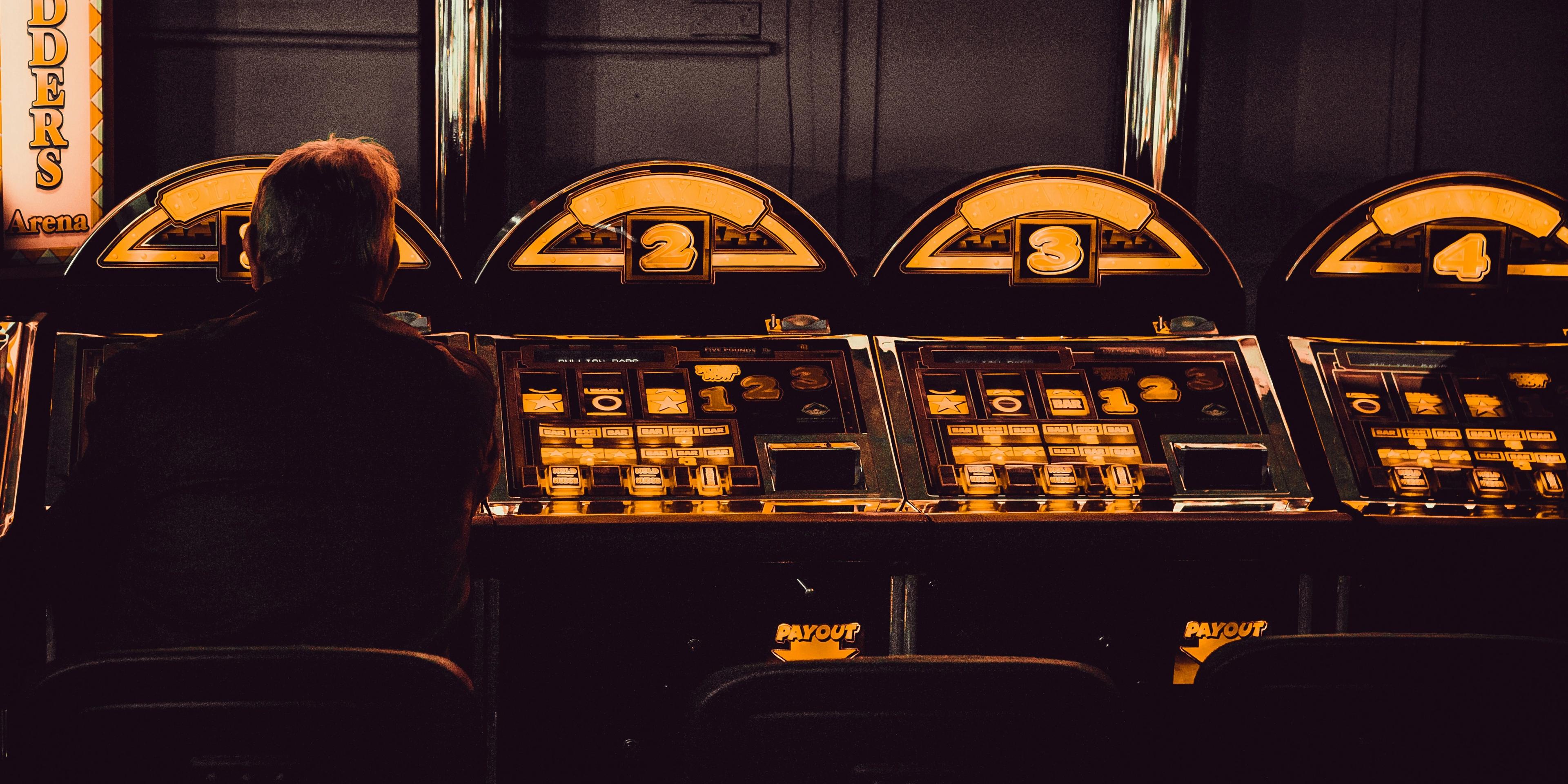
Late at night, things can feel quieter but heavier. Night gambling often shows up in those moments when stress lingers, sleep feels far away, or you just want a break from your thoughts.
No Dice offers a private, judgment-free way to look at what’s really driving those late-night habits, without labels or pressure. You can explore your patterns quietly, at your own pace.
This guide breaks down how night gambling works, what triggers it, and simple ways to take back control. You don’t have to change everything at once; one small step is enough to start.
https://www.youtube.com/watch?v=wMivyohrwwk
What Is Night Gambling?
Night gambling refers to betting or gaming that happens mostly between late evening and early morning. It includes in-person play at casinos, bars, or private games, as well as online play on apps or websites.
The rise of 24/7 platforms and smartphones made night gambling more common. Some forms grew out of social or underground games held after work, while others expanded as casinos extended hours and removed time limits.
For many people, night gambling begins as occasional late-night fun. Over time, it can become a repeated habit linked to loneliness, stress, or disrupted sleep.
Comparison to Daytime Gambling
Night gambling often happens when you're tired or emotional, which can shift how you make decisions. Daytime play tends to be more social or planned, while nighttime play is more likely to feel solitary and impulsive.
Decisions at night can feel less structured. Online night gambling removes cues like closing times, so sessions can last longer without clear stopping points.
You may spend more money per session or chase losses late at night. If you notice longer sessions, bigger bets, or gambling alone, these can point to night gambling patterns.
Key Characteristics
Night gambling often includes longer sessions, higher stakes, and more emotional decision-making. People may turn to it as a way to cope with stress, boredom, or sleeplessness.
It often takes place in private spaces, such as a bedroom or home office, using a phone or laptop. This can make the behavior easier to hide from others.
Common triggers include late-night cravings, alcohol, or feeling isolated. Signs to watch include sleep loss, missed responsibilities, secrecy, or repeated late-night losses.
Why Night Environments Make Gambling Harder to Stop
These environments can shape how night gambling feels and how long it lasts. Some spaces make it easier to lose track of time, while others can quietly increase pressure without you noticing.
Las Vegas Nightlife
Las Vegas is known for constant activity, with spaces that stay open late or all night. Lights, sounds, and movement are designed to keep attention focused and make time feel less important.
This kind of setting can make it harder to notice when you’ve been playing longer than planned. If you’re trying to cut back, it helps to pause and check in with yourself regularly, especially when the environment feels intense.
Monaco Casino Scene
Monaco offers a quieter and more formal setting, but that doesn’t always mean less pressure. Expectations around appearance, spending, or behavior can feel subtle but strong.
Even in calm spaces, night gambling can become harder to step away from. Noticing how the environment affects your decisions can help you create small exit points when you need them.
Macau After Dark
Macau’s late-night environments often feel fast-paced and high-energy. The scale, noise, and pace can make it difficult to slow down once you’ve started.
If you feel overwhelmed or pulled to keep going, taking a short break can help you reset. Even a few minutes outside the environment can make a difference.
How Different Games Can Keep You Playing
Night gambling often involves longer sessions and fewer interruptions. Certain games can make it easier to stay engaged without noticing how much time or money has passed.
Poker Tournaments
Poker can stretch over long periods, especially at night. The slow pace and focus on reading others can make it easy to stay longer than intended.
If you’re trying to change your pattern, it can help to set a clear endpoint before you begin, even if the game continues.
Blackjack Sessions
Blackjack moves quickly, with many decisions happening in a short time. This pace can make it harder to pause and reflect between hands. Short breaks can help you step out of the rhythm and notice how you’re feeling before continuing.
Slot Machines
Slots often run continuously, with no natural stopping point. Lights, sounds, and near-wins can keep you engaged longer than planned. If you’re trying to reduce night gambling, it can help to create your own stopping cues, like a timer or a fixed number of spins.
Roulette Experiences
Roulette can feel repetitive and steady, which sometimes creates a sense of control that keeps you playing. Reminding yourself that each spin is separate can help you step back. If the experience starts to feel intense, taking a pause can interrupt the cycle.
Night Gambling Atmosphere
Night gambling environments are designed to influence how you feel and behave. Being aware of these effects can help you respond more intentionally.
Ambiance and Lighting
Dim lighting and focused highlights can make time feel less visible. This can lead to longer sessions without realizing it. Checking the time or setting reminders can help you stay on track with your original plan.
Entertainment and Events
Music, shows, and busy environments can keep energy levels high. This can make it harder to notice fatigue or step away. Choosing quieter moments or stepping out briefly can help you regain awareness.
Dress Codes and Social Pressure
Some environments create subtle pressure through expectations around appearance or behavior. This can make it harder to leave or change your plan. Noticing this pressure is a useful first step. You can give yourself permission to leave at any point.
Online Night Gambling Patterns
Night gambling often shifts online, where access is constant and private. This can make it easier to continue without interruption.
Live Dealer Games
Live games can feel social and engaging, which may keep you playing longer than planned. The steady pace can reduce the number of natural breaks. If you notice time passing quickly, creating your own pause points can help you step back.
Mobile Night Gambling
Mobile access makes night gambling available at any moment, especially during quiet or stressful times. This can turn short sessions into longer ones without much thought. Reducing access, even slightly, can help create space between an urge and an action.
International Online Platforms
Online platforms can feel endless, with many options and few clear stopping points. This can make it harder to recognize when to stop. Simple steps, like limiting access or logging out after a session, can help you regain a sense of control.
Safety Tips for Nighttime Gamblers
Night gambling requires practical steps to protect your safety, money, and overall well-being. Clear limits and awareness can make a meaningful difference.
Staying Alert and Secure
Keeping your phone charged and sharing your location with a trusted contact can help you stay safe. Planning your route and avoiding isolated areas also adds protection.
Staying aware of your surroundings and trusting your instincts matters. If something feels off, leaving early is a valid choice. Handling cash discreetly and using secure locations for withdrawals can reduce risk.
Responsible Gambling Practices
Setting a money limit before you begin helps define clear boundaries. Carry only what you plan to use during the session. Using a timer can help you stay aware of time. Treat that alarm as non-negotiable.
Avoid chasing losses, as this can lead to decisions that feel harder to control later. Planning simple alternatives, like stepping outside or taking a break, can help shift your focus when urges appear.
Handling Winnings at Night
If you win, keep your money secure and avoid drawing attention. Splitting it into different places can add a layer of safety. Choosing secure payout methods or private collection areas can reduce stress.
Recording results can help you stay grounded and avoid impulsive decisions afterward. If a win makes you want to keep going, pausing until the next day can help you think more clearly.
Challenges of Night Gambling
Night gambling can affect decision-making, increase risks, and interfere with sleep and daily routines. Recognizing these challenges early can help you respond more thoughtfully.
Fatigue and Decision-Making
Late-night play often happens when you feel tired. This can affect focus and make it harder to evaluate choices clearly.
Fatigue can lead to repeated mistakes, such as increasing bets or skipping breaks. Noticing signs like slower reactions or reduced attention can help you decide when to step away.
Potential Risks
Night gambling can connect with stress or avoidance, making it harder to step back. Financial decisions may feel less deliberate late at night.
It can also affect sleep, which impacts mood and concentration the next day. Taking small steps to stay aware can help reduce these risks over time.
Time Management Strategies
Planning your time in advance helps create structure. Setting a fixed window and sticking to it can prevent sessions from extending too long. Replacing late-night gambling with other routines can support better balance. Tracking how often you follow your limits can give you a clearer picture of your habits.
Take Back Your Nights, One Step at a Time
Reaching this point often means something about night gambling doesn’t feel right anymore. That awareness matters. You don’t need to fix everything at once; small, steady changes can help you feel more in control again.
No Dice gives you a private and judgment-free space to understand your patterns and respond to late-night urges with simple, practical steps. You can move at your own pace, without pressure or labels.
If nights feel harder than they should, you can start quietly, get private guidance, and begin with one small step.
Frequently Asked Questions
Why does night gambling feel harder to control?
Night gambling often happens when you feel tired, stressed, or alone. In those moments, it can be harder to think clearly or stick to limits you would normally follow during the day.
The quiet and lack of structure at night can also make sessions last longer than planned. Small choices can add up quickly when there are no clear stopping points.
What triggers night gambling urges?
Common triggers include stress, boredom, difficulty sleeping, or wanting to switch off after a long day. Being alone or using your phone late at night can also make it easier to start without thinking much about it.
Alcohol or fatigue can lower awareness, which makes urges feel stronger. Recognizing these patterns can help you respond more calmly when they show up.
How can I stop night gambling once it starts?
You don’t need to force a big change in the moment. Try creating a small pause, like stepping away from your device or setting a short timer. Simple actions, such as getting up, having water, or shifting rooms, can interrupt the pattern. Even a brief break can help you reset and decide what to do next.
What are the small steps to reduce night gambling?
Start by setting a clear stop time or limiting how long you play. You can also reduce access by logging out, removing saved payment details, or using basic blocking tools. Replacing the habit with something low effort, like watching a show, taking a shower, or listening to music, can help fill that same time without pressure.
How can I help someone with night gambling habits?
Keep the conversation calm and private. Focus on what you’ve noticed rather than judging or trying to fix things right away. Offering quiet support and giving them space to talk can make it easier for them to open up. Small, supportive check-ins can go a long way.
Is it possible to regain control without quitting completely?
For many people, the goal starts with feeling more in control rather than stopping entirely. That can mean setting clearer limits, shortening sessions, or changing when and how you play. You can adjust your approach over time. Small changes can help you feel steadier and more aware of your choices.