

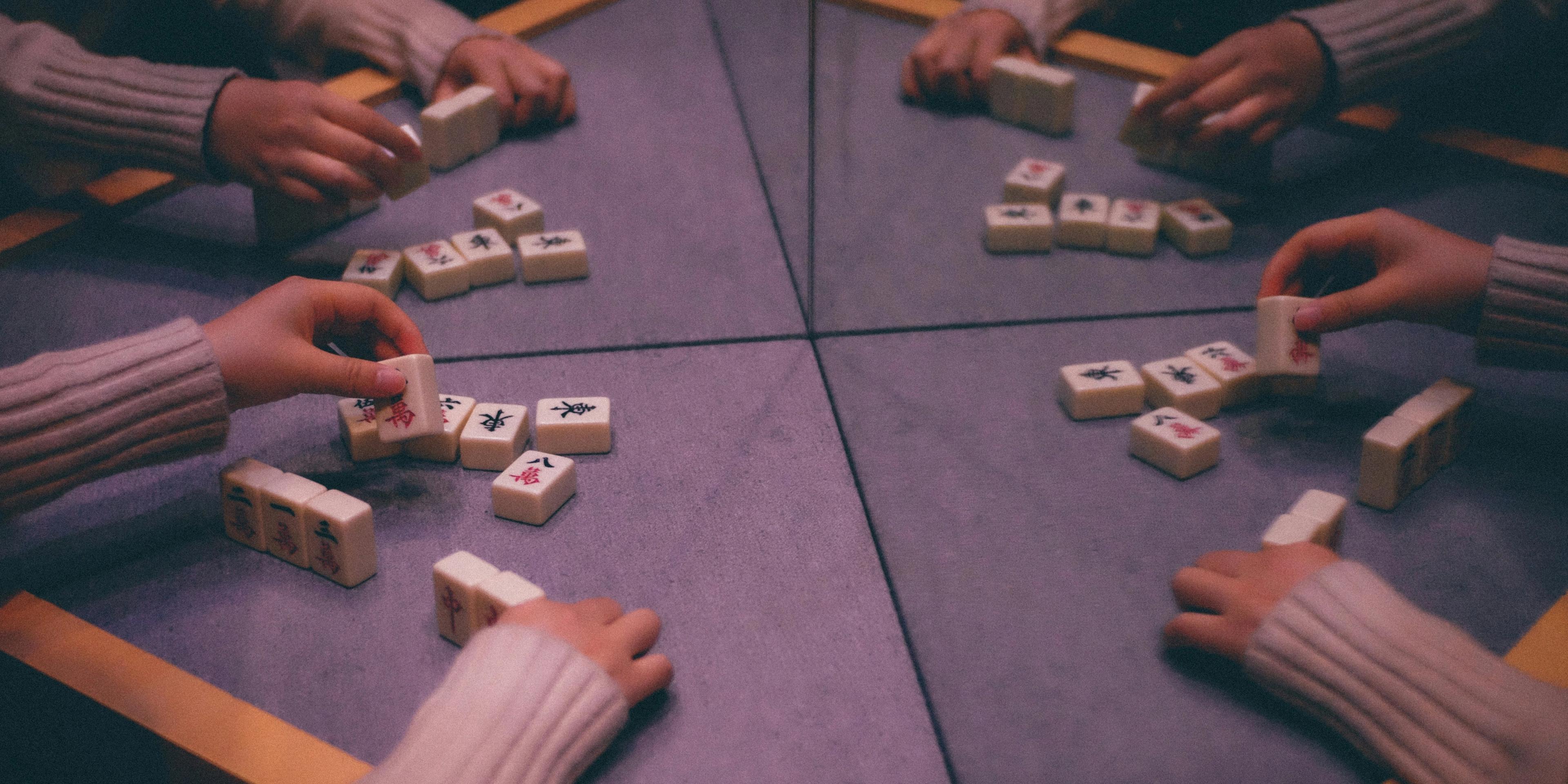
Boredom can creep in quietly. A slow evening, a dull commute, or a few empty minutes on your phone can turn into a quick bet before you even think about it. Boredom gambling often starts as a harmless way to pass the time, but it can slowly pull your attention, money, and energy into a habit that’s harder to step away from.
No Dice is a private, judgment-free space where you can explore your gambling habits without labels or pressure. Everything is designed to stay confidential so you can reflect honestly and take small steps at your own pace.
This article looks at why boredom gambling happens, the patterns that keep it going, and simple ways to interrupt the cycle. You’ll also find small, realistic ideas that can help you fill those quiet moments with something that feels better.
What Is Boredom Gambling?
Boredom gambling kicks in when you place bets or play games mainly to fill empty time, escape dullness, or chase a little quick excitement. It might start as something casual, but before you know it, the habit grows and can be tough to shake, eating into your mood and your wallet.
It’s all tied up in habit loops. A trigger, like a dead-silent evening or a slow commute, leads straight to placing a bet. That quick hit of reward reinforces the loop, making it easier to repeat the next time boredom creeps in.
Losses might seem small at first. The trouble is, you start chasing that same quick spark, and the risk snowballs. Spotting boredom as your main driver can help you catch patterns and pick safer ways to pass the time.
Brief History
People have gambled away idle hours for centuries—dice, cards, casual wagers, you name it. What’s different now is the always-on digital access and those sneaky apps that make betting the go-to fix for boredom.
With smartphones and 24/7 betting platforms, you can gamble anywhere: between chores, during breaks, or at 2 a.m. That instant access shrinks the gap between feeling bored and acting on it. Patterns set in faster, and honestly, they’re easy to miss until they’re set.
Some folks try blocking apps or using tools that limit access to betting sites. These give you a pause and a little breathing room to choose something else when boredom strikes.
Types of Boredom-Driven Gambling
- Quick bets: tossing in a micro-stakes game or sports bet when you’ve got a few spare minutes.
- Mindless scrolling: aimlessly browsing betting apps and landing on a wager without much thought.
- Emotional escape: gambling to dodge feelings like loneliness, stress, or that post-work blah.
- Social filler: joining pools or bets just to feel included, not for the thrill or the money.
Each type looks a bit different but boils down to the same thing: gambling as a time-filler. Try tracking when and why you reach for an app, what mood you’re in, and how long you stick around. Even swapping in a short walk or a hobby can disrupt the pattern.
Why People Gamble When Bored
Most of us just want something quick and easy to shake up the dull routine. Gambling promises a jolt of excitement or distraction when nothing else seems interesting.
Psychological Triggers
Boredom drops your brain’s reward signals, and suddenly you’re craving novelty or a dopamine rush. Gambling offers quick bursts of uncertainty and reward—slot spins, bets, tiny wins that give instant feedback. That’s often more tempting than slow-burning rewards like learning a new skill.
Your brain might link certain cues to gambling. Seeing your phone, getting a notification, or scrolling social feeds can spark the urge almost automatically. The urge gets stronger when you don’t have other activities lined up. Swapping out the cue or tweaking your routine can help break the cycle.
Emotional Drivers
Sometimes gambling covers up emotions you’d rather not face. Maybe you’re lonely, anxious, or just restless, and betting feels like action—at least for a bit. That can take the edge off worry or emptiness, but it doesn’t really solve anything.
Shame and secrecy can creep in. You might feel bad afterward, then gamble again to escape that shame. It’s a tough cycle. If you’re trying to break it, finding a private, non-judgmental space to sort through those feelings can help you move toward smaller, safer steps.
Escaping Routine
When every day blurs into the next, routine can feel suffocating. Gambling offers a fast break from sameness. No planning, no social energy required. It’s solo, available anytime, and easier than picking up a new hobby or making plans with friends. That easy access makes it appealing when you don’t feel like putting in effort elsewhere.
To cut the urge, try lining up short alternative activities you actually enjoy—maybe a walk, a non-gambling game, or a ten-minute hobby. Even small tweaks to your routine can shrink the gap where boredom gambling slips in.
Impacts of Gambling Due to Boredom
Boredom-fueled gambling can hit your finances, mood, and relationships faster than you’d expect. Here’s a closer look at what to watch for.
Financial Consequences
It often starts with tiny bets that seem harmless. Maybe you tell yourself a few spins or a quick hand won’t matter. But those little losses pile up, and suddenly you’re behind on bills or missing a savings goal.
Patterns like repeated withdrawals, surprise overdraft fees, or reaching for credit to keep playing are big warning signs. If gambling fills your idle hours, you might cut back on essentials, borrow from friends, or dip into emergency funds.
Try setting hard spending limits, deleting saved payment info, and tracking every gambling expense for a month. Seeing the numbers in black and white can be sobering.
Effects on Mental Health
Gambling out of boredom can shift your mood in ways you might not expect. Maybe it feels fun or distracting at first, but over time, anxiety, shame, and restlessness creep in—especially after losses.
That can fuel the urge to gamble again just to escape those feelings. You might notice trouble sleeping, focusing, or mood swings tied to wins and losses.
Swapping in short activities that lift your mood—like a walk or a quick hobby—can help. If negative feelings stick around, don’t be afraid to reach out for confidential support.
Relationship Challenges
Gambling out of boredom often happens in secret, and that can erode trust. Maybe you hide transactions, fudge how much time you’ve spent, or pull away from family and friends.
Arguments can flare over missing money or last-minute cancellations. Sometimes, even offhand comments about gambling sting, and that just drives you further into hiding. Open, low-stress conversations can help rebuild trust. Share what’s going on, what you’re trying, and the steps you’re taking.
Recognizing Signs of Boredom Gambling
Maybe you reach for games or bets when you’re restless, lonely, or just plain understimulated. Let’s look at some patterns and warning signs so you can spot if gambling is filling a boredom gap.
Behavioral Patterns
You might reach for gambling when you’re out of plans, or your tasks feel mind-numbing. This could look like opening betting apps during TV ads, spinning slots between chores, or placing small bets just to pass the time.
Quick, low-effort activities with instant feedback are tempting. Gambling fits that bill, offering fast wins, losses, and a constant stream of new things to watch.
Your routine might shift until gambling becomes the default. You skip hobbies, social time, or even exercise because gambling feels easier. Over time, you keep coming back, even when it’s costing you.
Warning Signals
Short, repeated sessions can add up before you know it—ten minutes here, fifteen there, suddenly it’s hours. Tracking session length can help you spot the trend.
Gambling kicks in when you feel empty, not excited. If you only gamble when bored and rarely when genuinely happy, that’s a clue. Missing work deadlines, canceling plans, or putting things off for quick bets are signs that things are sliding. Secretive behavior or hiding your betting history can also signal a pattern.
Self-Assessment Tips
Try keeping a simple log for a week. Jot down the time, your mood (bored, stressed, lonely), what you did before and after, and how much time or money you spent. Ask yourself: Did I start because I was bored? Was there a low-effort alternative I could’ve tried?
Experiment by swapping one quick gambling session for a five-minute walk, a call, or reading a few pages. Notice how you feel after. If the urge fades, boredom is probably the main driver.
Strategies to Break the Cycle
Small, realistic tweaks can weaken the urge and give you a chance to choose differently. Focus on easy activities, clear boundaries, and support when the urge feels unmanageable.
Healthy Distractions
Pick activities that grab your attention and help your body unwind. Try a 10–20 minute walk, a quick breathing exercise, or one silly dance to your favorite song.
Keep a short list of go-to options handy: call someone, play a puzzle game, doodle, or wash a few dishes. Mix things up so you don’t get bored with your own distractions.
Maybe join a low-pressure group or class that meets once a week. New social contact and routine can fill the space where boredom gambling once sat.
Setting Boundaries
Make it harder to gamble on impulse. Delete betting apps, clear bookmarks, set strong device passwords, and use browser blockers for your usual sites.
Carry less cash and leave cards at home if you know you’ll be tempted. Tell someone you trust about your boundaries and ask them to check in. For high-risk times, prep a quick script: breathe for two minutes, text a friend, drink some water, then wait 30 minutes before making a decision.
Seeking Professional Help
If the urge feels like too much or nothing else has stuck, it’s time to reach out. Look for a counsellor or coach who understands gambling behaviors and respects your privacy.
Bring a few notes to your first session: when urges hit, recent losses, and what you do when they start. That can help create a short, practical plan with daily check-ins or trigger mapping.
If you want a discreet starting point, there are private, stigma-free support options. Personalized guidance and micro-behaviors can help you manage urges without pressure.
Alternatives to Gambling for Managing Boredom
Try real-world, low-pressure options that give you a next step when boredom hits. Focus on using your hands, your body, or some social time to replace the urge to gamble.
Creative Activities
Pick one small project you can finish in an hour. Draw, knit, write a short story, or build a simple model. Finishing something gives you a quick win and shifts your focus away from chasing money. Keep a short list of easy creative prompts on your phone.
A cheap notebook or simple supplies can be enough. The goal is a low-pressure outlet that replaces boredom-driven habits.
Physical Wellness
Move your body for 10–30 minutes to break up an urge. Walk, jump rope, do a quick yoga flow, or climb some stairs.
Create a short routine you will actually repeat. Maybe five minutes of stretching, ten minutes of brisk walking, then five minutes of deep breathing. Tracking what works best can help you respond faster when boredom hits again.
Social Engagement
Plan quick, low-pressure social contacts to break up isolation. Text a friend, hop into a short group chat, or call someone for five minutes.
Even a brief check-in can stop the urge and remind you that you’re not alone. Use simple prompts like sharing a funny photo or asking for a quick opinion. Short interactions often work best.
Supporting Others Who Struggle With Boredom Gambling
You can open a calm talk, offer steady support, and help set small steps toward safer choices.
Starting the Conversation
Pick a quiet, private time to talk. Share specific observations, such as noticing more time spent on betting apps or gambling during bored moments.
Ask one direct question and listen without interrupting. Reflect what you hear so the other person feels understood. Offer one small step forward, such as replacing a gambling moment with a walk or a hobby.
Offering Nonjudgmental Support
Consistency helps. Send brief check-ins, like asking how the day went. Work together to build a short list of replacements for boredom moments: a walk, a quick craft, or a short call. You can also help reduce easy access to gambling apps or payment methods. Small steps can create space for better choices.
Resources for Boredom Gambling Recovery
Below are practical places and tools that help you stop gambling when boredom hits.
Helpful Organizations
Look for national or local support groups that offer confidential help by phone, chat, or meetings. Many provide coaching and practical guides for replacing gambling routines.
They can help you map boredom triggers, choose replacement activities, and set simple rules around gambling. When choosing support, check privacy policies and focus on services that respect anonymity and practical steps.
Online Tools and Communities
Blocking tools and device limits can make it harder to act on impulse. Pair those with short daily check-ins to track urges and mood.
Moderated online groups can also help you learn small coping tactics and share ideas for replacing gambling during boring moments. Tools that prompt quick actions—like breathing timers or short task lists—can help you pause before acting on an urge.
When Boredom Turns Into a Betting Habit
It’s common to reach for something quick when boredom hits. If boredom gambling has quietly become your default way to pass the time, recognizing that pattern is already an important step.
No Dice offers a private space to explore these moments without judgment. You can map triggers, understand your habits, and experiment with small changes at your own pace.
You don’t have to solve everything at once. Start quietly, notice the moments boredom shows up, and begin with one small step that feels manageable today.
Frequently Asked Questions
What are some healthy alternatives to gambling when I'm feeling bored?
Try short activities that give quick rewards. Walk for 10–20 minutes, listen to a playlist, or solve a quick puzzle. Hands-on hobbies like drawing, cooking, or building a small project can also redirect your focus.
How can I recognize the signs that boredom is leading me to gamble excessively?
Notice if you gamble right after feeling restless or saying “I’m bored.” Track how often it happens and how long sessions last. If gambling becomes the default entertainment during idle time, boredom may be driving the behavior.
What strategies can I use to resist the urge to gamble out of boredom?
Delay the urge for ten minutes and try another activity first. Often, the impulse fades after a short break. You can also block gambling sites, remove payment methods, or keep a list of quick replacement activities nearby.
Where can I find support if I'm struggling with boredom-induced gambling habits?
Look for private, non-judgmental help that respects your privacy. Trusted friends, family members, or confidential communities can provide support.
How can engaging in new hobbies help combat boredom without turning to gambling?
New hobbies create structure and progress. Even ten to twenty minutes a day can give you a sense of achievement. These small wins can replace the quick excitement that boredom gambling often promises.
Can mindfulness or meditation help reduce my boredom and lessen my impulse to gamble?
Short mindfulness exercises can help you notice urges without acting on them. When restlessness appears, try a three to five-minute breathing pause. That moment of awareness can give you space to choose something healthier.