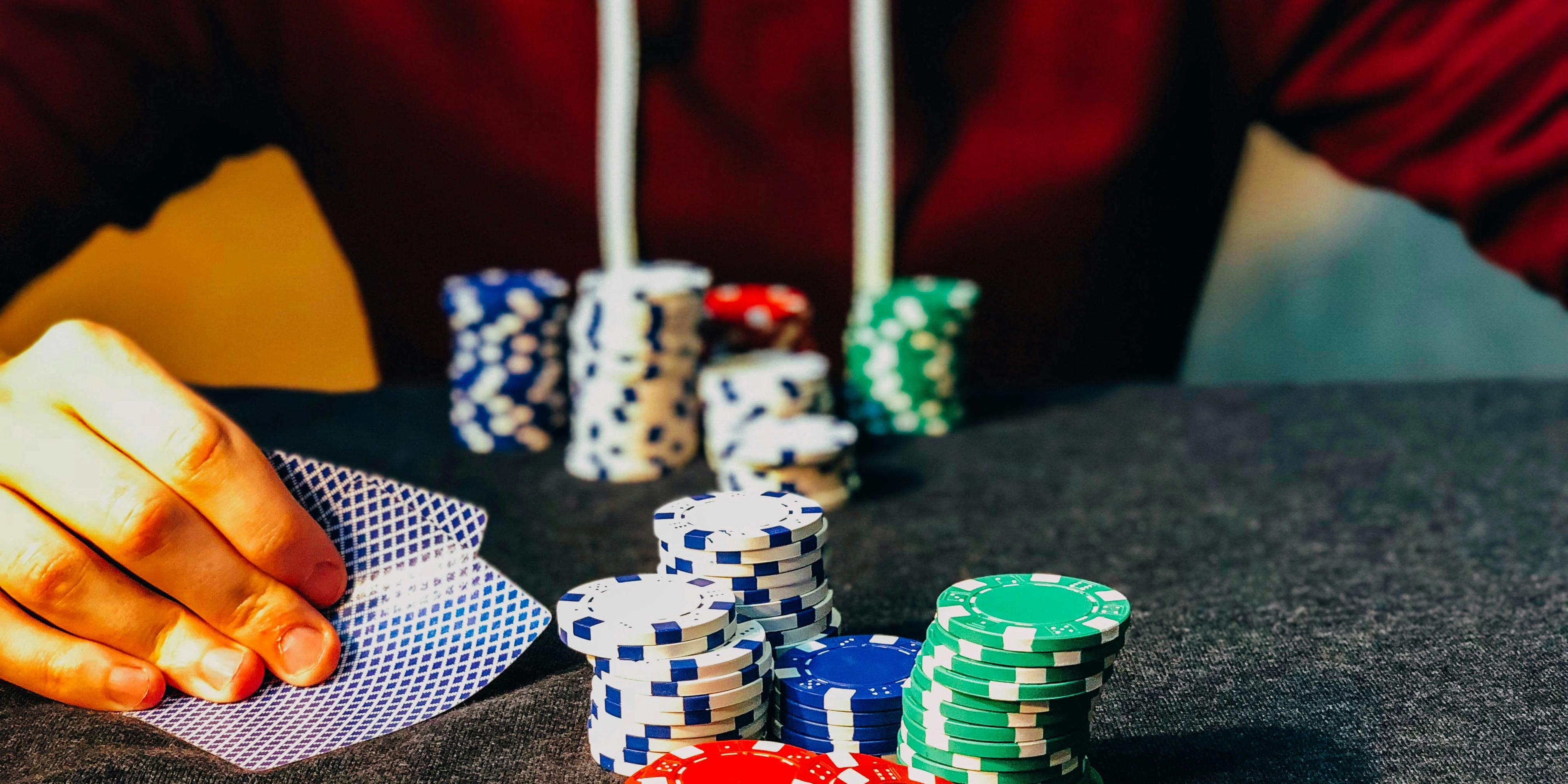
If tired gambling has been showing up more lately, it can feel like you’re running on autopilot. Late nights, stress, and low energy can turn “just a quick session” into choices you don’t feel good about.
With No Dice, you can explore patterns privately and anonymously, without labels or judgment, and start with small steps that feel manageable.
Below, you’ll see how fatigue affects decisions, the risks to watch for, and simple ways to avoid gambling when you’re running on empty.
https://www.youtube.com/watch?v=W-YPlsMdUZM
What Is Tired Gambling?
Tired gambling is betting when your energy, focus, or judgment is shot. Maybe you play late at night after a brutal day, during a long shift, or after drinking or using something that dulls your thinking. Choices start to feel automatic, not thoughtful.
In that state, small losses can feel urgent and big wins seem closer than they really are. You might hop between games, raise your stakes, or keep playing just to stay awake or distracted. These patterns can repeat and lead to money, sleep, or mood problems.
Common Causes Of Tiredness While Gambling
Long hours, bad sleep, and stress often set the stage for tired gambling. Skipping meals, weird sleep cycles, and drinking or using stimulants all chip away at your decision-making. Worrying about money, relationships, or work adds more mental fatigue.
Online gambling never really closes, and autoplay features can make it worse. Late-night scrolling or that “just one more” mindset can stretch sessions way too long. If you spot these triggers, it’s easier to plan safer times or skip gambling when you know you’ll be tired.
Identifying Signs Of Fatigue
Look out for slower reactions, foggy thinking, and trouble focusing. You might replay outcomes in your head, act on impulse, or blow past your budget. Physically, you could notice heavy eyelids, yawning, or clumsy hands.
Try jotting down the time of day, how much you slept, and your choices during a session. If you see losses pile up after long days or notice you always gamble at night, that’s a sign. Use these clues to set a cutoff time or a session limit.
Mental Versus Physical Exhaustion
Physical exhaustion hits when you’re short on sleep, pulling long shifts, or feeling sick. Your energy drops, and your reflexes slow. Mental exhaustion comes from stress, worry, or nonstop multitasking, showing up as indecision, crankiness, or racing thoughts.
Both can affect judgment, but the fixes aren’t the same. For physical tiredness, try to get more sleep, take short naps, and eat regularly. For mental fatigue, a quick break, some breathwork, or stepping away from screens can help.
Effects Of Fatigue On Gambling Performance
Fatigue hurts your decision-making, slows your reactions, and makes it harder to handle your emotions. Suddenly, you’re losing more, chasing losses, and playing way longer than you meant to.
Impact On Decision-Making
When you’re tired, your brain starts craving short-term rewards. High-risk bets with flashy wins look better than safer, more boring options. Sleep loss makes it tough to weigh odds or remember what just happened, so you end up repeating mistakes.
Planning goes out the window, too. You might forget to set a limit or skip checking your balance. That’s when you keep playing after a loss or bump up your stakes to make back what you lost.
Watch for signs like picking bigger bets on a whim, forgetting rules, or feeling weirdly confident after a small win. If any of that rings a bell, it’s time to pause and rest.
Slower Reaction Times
Tiredness drags down how fast you react to new info. In games that need quick thinking, that split-second delay can turn a good hand into a disaster. Even tiny lags mess with your strategy or stop you from cutting a losing streak.
Online, it’s even trickier. You might miss a cash-out prompt or tap the wrong button when you want to quit. Those slip-ups stack up, leading to more unplanned bets and bigger losses.
If you’re playing tired, try setting up automated limits or taking short, scheduled breaks. It’s a way to slow yourself down before you click on impulse.
Decreased Emotional Control
Fatigue makes your mood swingier and your nerves thinner. Losses sting more, and you might chase money just to feel better. That urge can bulldoze any rules you set earlier.
You might overhype small wins, convincing yourself to keep playing. Or you’ll blow up losses in your mind, pushing you to make snap bets to fix it.
Setting strict loss or time limits, using cooling-off periods, and steering clear of gambling when you’re wiped out can help. Don’t be afraid to lean on outside support or guidance if you need it.
Risks Associated With Tired Gambling
When you're tired, mistakes, snap decisions, and emotional swings get more common. These risks can cost you, build bad habits, and make it tougher to regain control.
Increased Losses
When you’re running on empty, judging odds and spotting bad bets gets harder. It’s easy to misread numbers, ignore your own limits, or keep playing because you’re too worn out to quit. Those small bets can pile up fast when you’re not thinking straight.
Tiredness also slows your reaction time. In live betting or fast games, that means you might act on the wrong impulse or miss a cash-out. Losing more often can crank up your stress and hide the real cost of gambling.
Impulsive Betting Behavior
Fatigue chips away at self-control and makes urges feel more intense. You might chase losses without looking at your budget or throw down risky bets for a quick thrill. These choices can happen almost on autopilot, and they feel tougher to resist when you’re tired.
Switching games or raising stakes just to stay alert is common. That’s how habits sneak in. Simple rules like “stop after X losses” get ignored more often when you’re running on fumes.
Triggers That Get Stronger When You’re Tired
Tired gambling can intensify triggers like stress, loneliness, or shame. When you’re exhausted, negative feelings feel bigger, and gambling can seem like a quick escape. That escape can turn into a pattern and more secrecy.
When tired sessions repeat, it’s harder to spot the pattern or ask for support. Private, gentle guidance can make it easier to start changing habits before they get worse.
Strategies To Avoid Gambling While Tired
When you’re worn out, simple plans and clear signals go a long way. Stick to straightforward rules, watch for your own warning signs, and take regular breaks to keep things in check.
Setting Personal Limits
Set rules before you even start. Pick a strict time limit, maybe 30 minutes, and a firm money limit. Write them down or use an alarm that signals when time’s up.
Turn on spending controls, set daily device downtime, or use blocking tools. If you can, keep payment methods out of reach so you have to pause before using them. Telling someone you trust about your limits means they can check in if you start to slip.
Make your limits clear and easy to follow. Skip the vague stuff like “I’ll play less.” Go with exact numbers and actions. Review your limits when you’re rested to make sure they actually fit your needs.
Recognizing Personal Warning Signs
Get familiar with the signs that tiredness is steering your choices. Slower decisions, repeating the same losing moves, chasing losses, or feeling numb or reckless are red flags. Jot down a couple that you notice in yourself.
Do quick checks: “Did I sleep less than five hours?” or “Have I been awake more than 16 hours?” If yes, skip gambling. Keep these reminders handy on your phone for a fast reality check.
Sharing your warning signs with someone you trust can help. If someone else knows your patterns, they can nudge you to pause and make safer calls.
Planning Breaks During Gambling Sessions
Plan short, non-negotiable breaks before you start. Set a timer to stop every 20 to 30 minutes for at least 10 minutes. Use that time to stand up, walk around, drink water, or do something calming.
Make breaks real. Don’t just scroll through gambling feeds or replay losses in your head. During breaks, try a grounding exercise: count backward from 20, text a friend, or step outside. These small actions can help cut impulsive behavior.
After a session, note if the breaks helped you feel clearer or less driven by urges. Adjust how long and what you do during breaks based on what actually works for you. If breaks don’t help, it’s probably time to call it for the day and try again another time.
Healthy Habits For Responsible Gambling
Solid sleep, calm focus, and a reliable routine help you make better choices and avoid risky bets. Small, daily habits can shrink urges, reduce late-night losses, and give you a better shot at control.
Prioritizing Sleep And Rest
Shoot for 7 to 9 hours of sleep most nights. Good sleep cuts down on snap decisions and sharpens your judgment.
Set a regular bedtime and wake-up time. Avoid screens for 30 to 60 minutes before bed. If you gamble online, stop at least an hour before sleep so you’re not tempted.
Try winding down with dim lights, a short book, or some stretching. If you wake up with cravings, get out of bed and change scenery for 10 to 15 minutes to break the urge.
Track your sleep for a week. Notice how late nights or naps affect your gambling. If bad sleep keeps leading to risky sessions, treat sleep as part of your gambling plan.
Mindfulness Techniques
Pause before you bet. Take three slow breaths and name what you’re feeling, like anger, boredom, or pressure. Just naming it can break that automatic reaction.
Try a grounding exercise: notice five things you see, four you can touch, three you hear. It brings you back to now and can weaken the urge to chase losses. Make a rule for yourself: wait 15 minutes before any unplanned deposit. In that time, check in with yourself. How will this bet affect my budget, plans, or sleep? If you still want to bet after the pause, stick to your preset limit.
Do a quick daily check-in. Spend two minutes noting urges and one small step you can take. Over time, this can make urges shorter and easier to handle.
Maintaining A Balanced Schedule
Block out non-gambling time for exercise, meals, work, and seeing people. A structured day fights off boredom, which is a major tired gambling trigger.
Plan activities for tricky times, like evenings or payday. Maybe it’s a walk, a call with a friend, or a hobby for an hour instead of opening a betting app.
Stick to money rules: set a weekly gambling budget and take at least one no-gamble day each week. Use alarms or calendar reminders to help you keep these limits and avoid late-night sessions.
Use private support tools or a simple log to track triggers and build small, doable steps. Keep your schedule visible so you can spot patterns and adjust before things get out of hand.
Long-Term Consequences Of Ignoring Fatigue
If you ignore tiredness when you gamble, it can mess with your head and your wallet. You might feel more on edge, make worse choices, and lose more than you ever meant to.
Emotional And Focus Effects
Playing while exhausted slows your thinking and chips away at impulse control. You might chase losses, make risky bets, or agree to stuff you’d usually avoid. That adds stress and keeps you stuck in a cycle of shame and secrecy.
Fatigue can also make worry and low mood feel stronger. Sleep loss makes it harder to handle urges or use healthy strategies. You might pull away from friends and hide your gambling, which can ramp up isolation and keep problems in the dark.
Over time, repeated tired gambling can make negative thinking feel normal. You might replay losses, blame yourself, and avoid reaching out for help. Even small, private steps can help you break the cycle before it gets worse.
Financial Impacts
Tired decisions often lead to bigger losses. You might miss your own limits or ignore budgets, letting small losses pile up fast. This can drain your savings or push you to rely on credit just to keep playing. Poor choices when tired can create new obligations.
You might borrow money, sell things you care about, or skip bills to cover gambling costs. These actions add stress, making stopping feel harder.
Over a few months, financial harm can affect your housing, relationships, and even your job. Setting up simple rules, automatic limits, cooling-off times, or a quiet pause before betting can help reduce risk.
Where To Find Help And Support
If you want privacy and gentle support, start with anonymous tools and simple routines. They can help you explore feelings and patterns without explaining yourself to anyone.
Consider blocking access during your high-risk times, like late nights, long shifts, or after drinking. Adding small friction points can create the pause you need to choose something else.
Talk to someone you trust. Even a short, honest chat with a friend or family member can ease shame and help you figure out the next steps.
If you feel like you’re not safe right now, reach out to immediate, in-person help where you are. Your safety comes first.
A Quiet Way To Start Again
Reaching this point is more common than it looks. If tired gambling has been part of the pattern, it doesn’t mean you’re broken. It means your brain is trying to cope while you’re running low on energy.
Small steps still count. A cutoff time, a limit you can actually follow, and one new evening routine can create real breathing room.
If you want private guidance that respects your pace, No Dice can help you start quietly and build a plan around your real triggers, without judgment.
Frequently Asked Questions
Can Gambling Lead To Burnout And Fatigue?
Yeah, it really can. Long sessions, emotional swings, and late-night play add up to mental and physical tiredness. You might feel drained, lose motivation, or get slow at making decisions after intense gambling, especially if it happens a lot.
What Are The Psychological Effects Of Frequent Gambling?
Frequent gambling can ramp up anxiety, irritability, and low mood. You might notice racing thoughts about wins or losses, trouble focusing, and stronger urges to keep playing.
How Can I Recognize When Gaming Is Affecting My Sleep?
Watch for trouble falling asleep, waking up at night, or feeling unrested in the morning. If you stay up late to gamble, lie awake replaying losses, or nap more during the day, gambling is probably hurting your sleep.
Are There Strategies To Manage Exhaustion From Gambling?
Set strict time limits and try not to gamble close to bedtime. Schedule short breaks, use calming routines before bed, and swap late sessions for low-key activities like reading or walking.
What Is The Relationship Between Gambling And Stress Levels?
Gambling can crank up stress through financial worry, social conflict, and shame. Stress keeps your body on high alert, which fuels more tiredness and makes it harder to stop gambling.
How Does Frequent Gambling Impact One's Overall Well-being?
It can harm relationships, work performance, and your day-to-day energy over time. You might notice weight changes, frequent headaches, or just feel drained all the time. Sometimes, people pull away from friends or drop hobbies they used to love.