

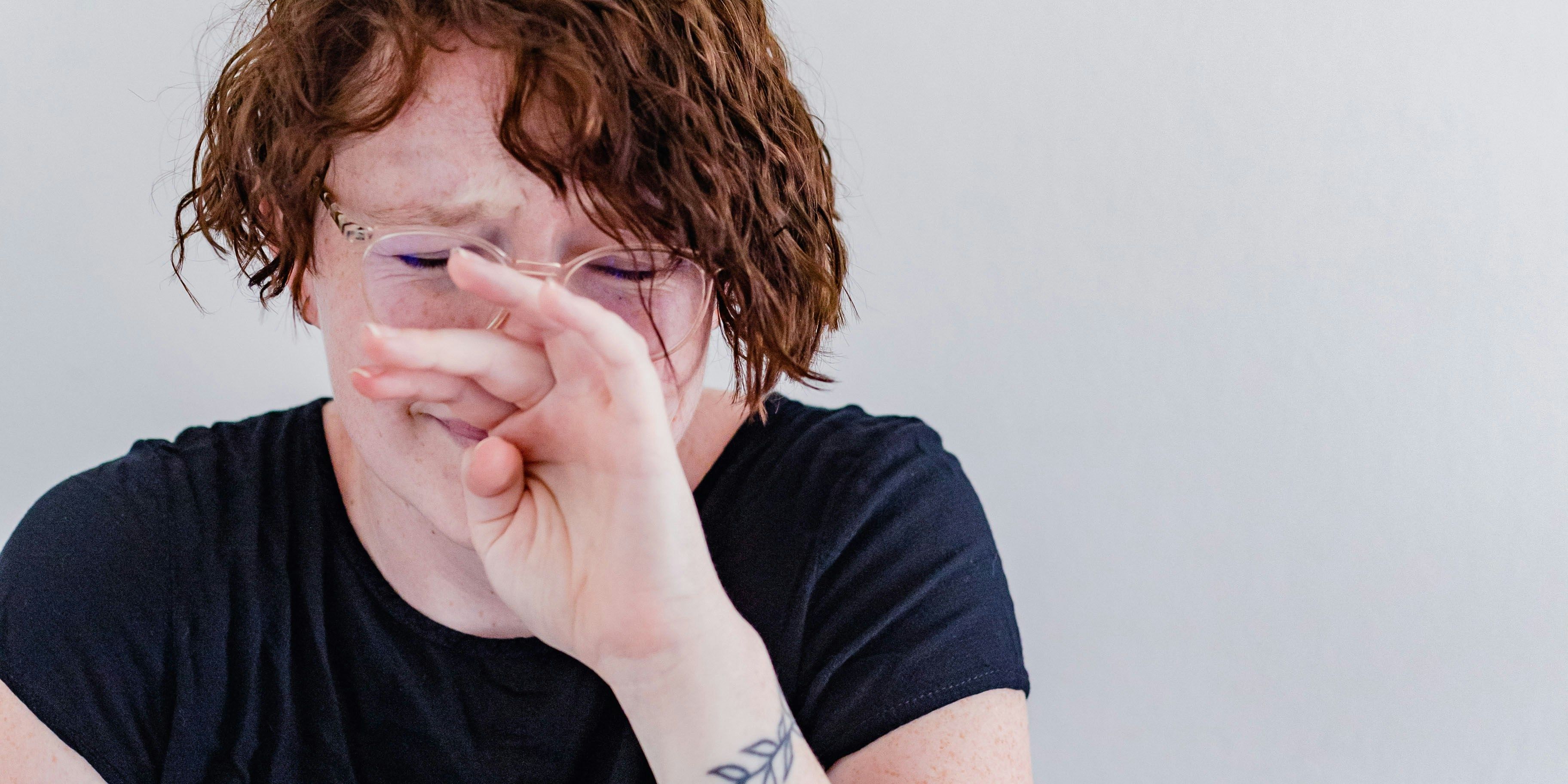
If gambling ruined your life, that feeling of shame and dread is something you know far too well. It likely follows you from the moment you wake up to the moment you finally fall asleep.
The truth that rarely gets said out loud is this: people do recover from gambling addiction, even after years of damage to their finances, their relationships, and their sense of self.
The chaos you are living in right now is not permanent. When you stop gambling, the fog begins to lift. Bills become manageable again, and trust starts to slowly return.
This guide walks you through what real recovery looks like, step by step. Drawing on practical experience and guidance from No Dice, you'll find clear advice for recognizing the signs, managing the first tough days, and building a realistic plan forward.
If you're ready for honest, judgment-free help and want to take that first step, keep reading; there's a way out, and it starts right here.
When It Stops Feeling Like A Hobby
Most people do not notice the exact moment gambling shifts from something fun into something they cannot control. This is what makes compulsive gambling so easy to miss until the damage is already done.
Signs Your Betting Has Crossed A Line
Gambling addiction rarely announces itself. It builds gradually, which is why so many people spend months denying it is even a problem.
Watch for these specific warning signs:
- You think about gambling when you are supposed to be focused on work or family
- You lie about how much you bet or how often you play
- You borrow money or sell belongings to fund gambling sessions
- You feel anxious, irritable, or restless when you try to stop
- You gamble to escape stress, boredom, or loneliness rather than for entertainment
- You have tried to cut back and failed more than once
If three or more of those feel familiar, your gambling habits have moved beyond casual. Recognizing that is not a failure; it is the clearest first step toward doing something about it.
Why Gambling Becomes Hard To Control
The gambling reward system is designed to keep you coming back. Every win, even a small one, triggers a dopamine release in your brain, the same chemical involved in other compulsive behaviors.
That rush is real, and your brain starts craving it the way it craves food or sleep. What makes impulsive gambling especially hard to control is that near-misses activate the same dopamine response as actual wins.
Your brain registers "almost winning" as a reason to keep trying. That is not a character flaw; it is brain chemistry being exploited by a system built to do exactly that.
Over time, you need bigger bets to get the same feeling. Stopping feels genuinely uncomfortable, not just inconvenient.
How Chasing Losses Keeps The Cycle Going
Chasing losses is the pattern of gambling more to recover what you already lost. It feels logical in the moment: one good session could fix everything. That logic is the trap.
Each chasing session raises your financial and emotional stakes. The losses grow, the pressure to win it back intensifies, and the gambling sessions get longer and less controlled.
People who chase losses often describe the sessions not as fun but as desperate. They are not gambling to enjoy it anymore; they are gambling to survive the anxiety the last session created. Breaking that loop is the core challenge of recovery.
The Fallout On Money, Mental Health, And Relationships
Gambling does not stay in one corner of your life; it spreads into your bank account, your sleep, your mood, and the people closest to you in ways that compound fast.
Debt Panic And The Pressure To Win It Back
Money stress from gambling is different from ordinary financial stress because it comes loaded with shame. You know how the debt happened, and that knowledge makes it harder to ask for help or even look at the numbers clearly.
The pressure to win it back is one of the most dangerous mindsets in compulsive gambling. When you tell yourself one more session will fix the shortfall, you are not thinking like a gambler on a good day; you are thinking like someone in a panic.
That panic overrides rational decision-making and sends you back to the exact thing creating the crisis. What helps is separating the debt problem from the gambling problem.
They are connected, but you cannot solve the debt while you are still gambling. Stop first. Then deal with the numbers.
How Gambling Affects Anxiety, Depression, And Loneliness
Gambling anxiety is not just about money. It is the constant background noise of covering your tracks, watching your phone for payment alerts, and fearing the moment someone asks a direct question about your finances.
Depression and gambling reinforce each other in a painful loop. You gamble to escape low mood, the losses deepen the depression, and the shame makes you less likely to reach out for support.
Loneliness and gambling share the same root: gambling can feel like company, stimulation, and relief when other parts of life feel empty or disconnected.
Treating the mental health side matters as much as stopping the gambling itself. Many people find that anxiety and depression improve significantly within weeks of quitting, once the constant cycle of loss and panic is removed.
What Secrecy Does To Trust At Home
Secret gambling does not just harm your finances; it creates a second version of you that the people you love do not know exists. That hidden life erodes trust faster than the debt does. Partners often describe discovering secret gambling as feeling like a betrayal comparable to an affair.
It is not just the money; it is the months or years of convincing lies and cover stories. Children in households where gambling is hidden often sense the tension without understanding the cause, and that uncertainty is its own kind of harm.
Rebuilding trust after secret gambling takes time and consistent honesty, not grand gestures. The secrecy did not build overnight, and neither does the repair.
What To Do In The First 24 Hours
The first day you decide to stop is the most disorienting. Having three specific things to do makes the difference between following through and retreating to old habits when gambling urges spike.
How To Quit Gambling When Urges Spike
Gambling urges feel urgent, but they are time-limited. Most urges peak within 20 to 30 minutes and then fade if you do not act on them. Knowing that makes it possible to outlast them.
Try this step-by-step urge response routine:
- Name the urge out loud or write it down: "I want to gamble right now."
- Set a 20-minute timer and leave the space you are in.
- Walk, call someone, or do something physical until the timer ends.
- Check in: the urge will usually have dropped significantly.
Identifying your gambling triggers is just as important. Common ones include payday, sporting events, boredom after 9 pm, and arguments with a partner. When you know your triggers, you can plan around them rather than be blindsided by them.
Ways To Create Distance From Apps And Accounts
Distance is your most practical tool in the first 24 hours. The harder it is to access gambling, the more time you have to choose differently when an urge hits.
Start with your phone, since most gambling now happens there:
- Delete all gambling apps immediately
- Use your phone's screen time settings to block gambling sites by category
- Self-exclude through your state's gaming commission website; many states offer free self-exclusion programs
- Contact your bank and ask about gambling transaction blocks; several major US banks now offer this feature
- Move money to an account you do not have instant access to, or give a trusted person temporary control
These steps do not require willpower in the moment. You set them up once, and they work for you automatically.
Who To Contact For Immediate Support
You do not have to handle the first 24 hours alone. The National Problem Gambling Helpline (1-800-522-4700) is available 24 hours a day, 7 days a week, and calls are confidential.
Text and chat options are also available if calling feels like too much. Gamblers Anonymous meetings are free, judgment-free, and available in most US cities, with many online options as well.
Showing up to one meeting does not commit you to anything. It just puts you in a room with people who understand exactly where you are right now, without requiring you to explain yourself from scratch.
A Realistic Recovery Plan That Sticks
Quitting gambling creates a gap in your daily structure and emotional routine. Without something to fill that gap, the pull back to gambling stays strong long after the initial decision to stop.
Building New Habits To Replace Betting
The brain's reward system does not shut off when you stop gambling; it keeps looking for stimulation. Replacement activities for gambling work best when they provide a similar sense of engagement or excitement rather than something passive.
Effective options include:
- Competitive activities: Recreational sports leagues, chess clubs, or online strategy games give your brain a challenge without financial risk
- Physical routines: Daily exercise reduces anxiety and releases dopamine naturally, which directly eases gambling cravings
- Skill-building projects: Learning something new, a language, a trade, an instrument, creates a sense of progress that gambling promises but never actually delivers
- Social commitment: Scheduling time with people who do not gamble creates accountability and reduces the isolation that feeds cravings
The goal is not to stay busy for distraction, but to build a life that feels worth protecting.
Healthier Ways To Handle Stress And Boredom
Gambling often fills two emotional needs: escaping stress and relieving boredom. Without healthier coping mechanisms for stress, those needs will push you back toward the habit even when your conscious mind is committed to stopping.
For stress, structured breathing, walking, and talking to someone each work better than most people expect. The key is to practice them before a crisis so they feel automatic when the pressure builds.
For boredom, the honest solution is to schedule your unstructured time, especially evenings and weekends. Empty time was not a problem before gambling became a habit, but now your brain associates those gaps with the option to gamble. Filling them intentionally in the first 90 days is not weakness; it is a smart recovery strategy.
Getting Practical About Money And Daily Structure
Recovery without structure collapses quickly. A simple daily schedule covering meals, sleep, exercise, and social contact creates stability, making urges easier to manage.
On the financial side, start with a written list of what you owe and to whom. You do not need to solve it all today. You need to see it clearly.
From there, contact a nonprofit credit counseling agency, such as the National Foundation for Credit Counseling, which offers free debt counseling specifically relevant to gambling recovery.
Avoiding the numbers keeps the shame alive; facing them, even in small steps, starts to dissolve it.
How To Handle Setbacks Without Giving Up
A gambling relapse does not erase your progress. How you respond to it determines whether it becomes a turning point or a full return to the cycle.
Common Relapse Patterns To Watch For
Most gambling relapses follow predictable patterns, which means you can spot warning signs before a slip happens.
Watch for:
- Romanticizing past gambling: When memories of wins start feeling more vivid than memories of the damage, your risk goes up
- Isolation: Pulling away from your support network is one of the most reliable early warning signs
- Overconfidence: Believing you can now gamble casually after a period of abstinence almost always leads to a full relapse
- Untreated stress: A major life stressor like job loss, a relationship breakdown, or a financial setback raises relapse risk sharply if you do not have a plan for it
Recognizing these patterns early gives you time to reach out before the urge becomes a bet.
Moving Forward After Gambling Has Ruined Your Life
Recovery is not a straight line, but every step away from gambling is a step toward a life you want to protect. It is normal to feel overwhelmed at first, but change is possible, even if it feels slow or uneven.
With support, honest self-reflection, and practical tools, you can rebuild your finances, your relationships, and your self-respect. Remember, you are not alone in this process—others have made it through, and so can you.
If you're ready to take the next step, reach out for support or try one of the strategies shared here today. Your recovery journey starts now; choose your first action and keep moving forward.
Relapse Prevention Strategies For High Risk Moments
Gambling relapse prevention is most effective when it is specific rather than general. Saying "I will call someone if I feel like gambling" is weaker than "I will call my sponsor if I get paid on Friday and no one is home."
Build a personalized high-risk map:
- List your top three triggers
- Write down one action you will take when each one appears
- Share this plan with at least one person who can check in with you
Sports betting addiction and online gambling addiction carry particular relapse risk during major sporting events like the NFL season, the NBA playoffs, or March Madness.
Block those dates in advance by scheduling alternative activities and removing access to betting apps before the season starts.
How To Restart Recovery After A Slip
A slip is one bet, not a signal that recovery is impossible. The most important thing you can do after a gambling relapse is stop it from becoming a session, and stop that session from becoming a week.
Contact your support person or helpline the same day. Tell them what happened without minimizing it. Ask your therapist or counselor to help you identify what specifically led to the slip, not to assign blame but to close the gap in your plan.
Many people who achieve long-term gambling addiction recovery have relapsed at least once. What separates those who recover from those who stay stuck is whether they use the slip as information or as an excuse to give up entirely.
Frequently Asked Questions
How do I tell my family or partner about the debt I've built up from gambling?
Choose a calm, private moment and lead with accountability rather than explanation. Say what happened, what you have lost, and what steps you are already taking to stop. Avoid minimizing the amount or framing it as something that "just happened." Your partner or family will rebuild trust faster when they see you are being fully honest.
What are the first steps to stop gambling when I keep relapsing?
Start by removing access before you address willpower. Delete apps, block gambling sites, and contact your bank about transaction blocks. Then reach out to the National Problem Gambling Helpline or a local Gamblers Anonymous group the same day. Support contact within 24 hours of a relapse decision significantly improves follow-through.
Where can I find confidential support groups or helplines in my country?
In the US, the National Problem Gambling Helpline (1-800-522-4700) is free, confidential, and available around the clock via phone, text, and chat. Gamblers Anonymous holds free meetings across the country and online. The National Council on Problem Gambling's website lets you search for local counselors and treatment programs by zip code.
How can I regain control of my finances after gambling losses and missed bills?
Start by listing every debt on paper so you have a clear picture rather than a vague sense of dread. Contact a nonprofit credit counselor, such as one affiliated with the National Foundation for Credit Counseling, for a free session covering options like payment plans and hardship programs. Prioritize housing, utilities, and food costs before addressing unsecured debt.
What can I do to block or limit access to online gambling sites and apps?
Delete all gambling apps from your phone and use your phone's built-in screen time or parental controls to block gambling-related categories. Register for your state's voluntary self-exclusion list, which is free and legally prevents licensed operators from accepting your bets. Ask your bank to enable gambling transaction blocks, a feature now offered by several major US banks.
How do people rebuild trust and relationships after gambling has caused harm?
Trust rebuilds through consistent, verifiable honesty over time, not through promises. Offer to share financial statements, account access, or progress updates without being asked. Family therapy or couples counseling with a professional who has experience in gambling addiction recovery gives both sides a structured space to process the harm and work toward repair.
Moving Forward One Honest Step At A Time
If you're working to prevent gambling relapse, this article will walk you through practical steps for high-risk moments and what to do if you slip. No Dice is here to guide you with real-world strategies, honest advice, and answers to the questions that come up most often in recovery.
Whether you're worried about triggers, struggling to talk to loved ones, or just need to know what the next step looks like, you'll find support and clarity here. Let's take this one step at a time.