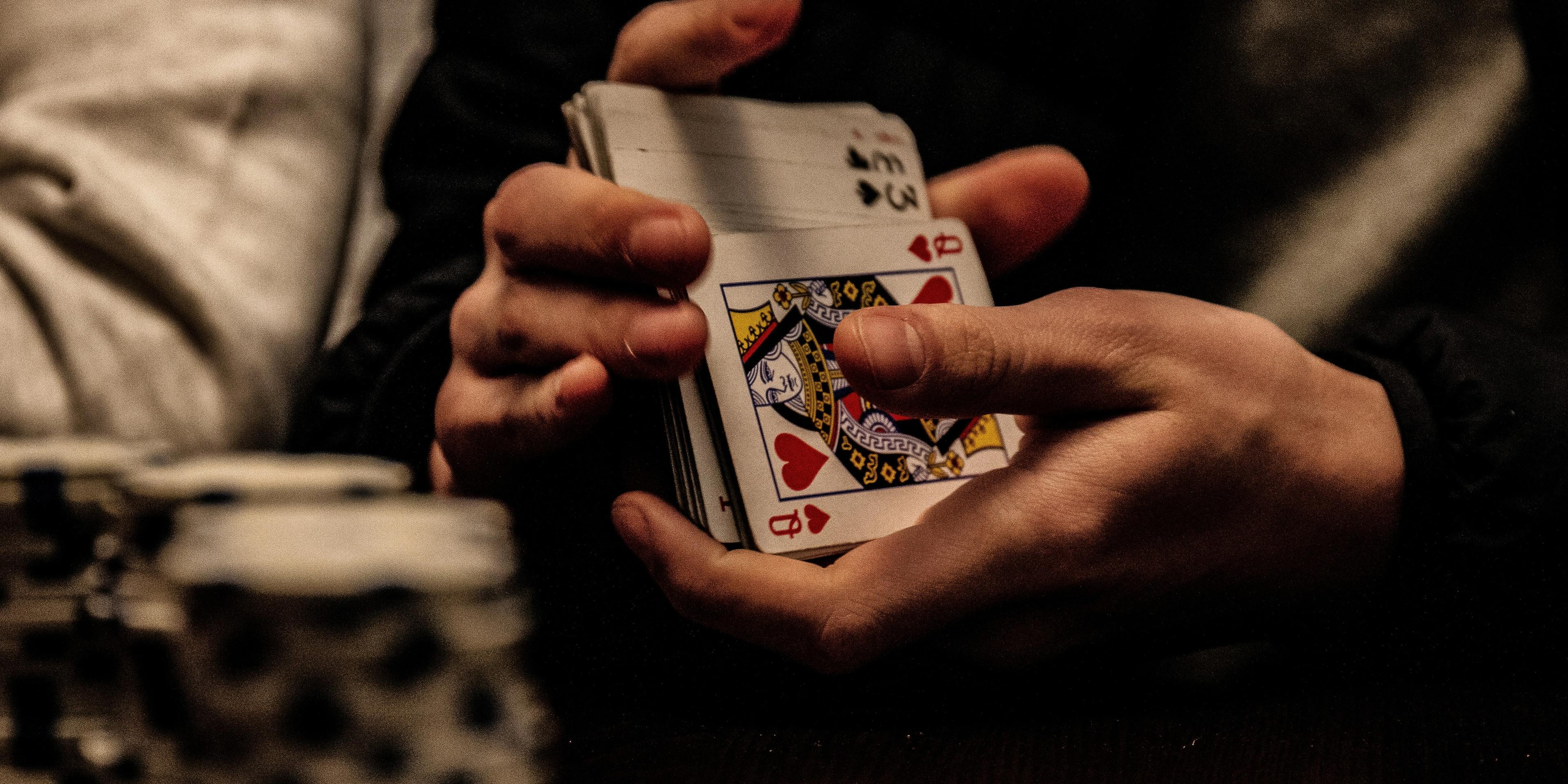
If you’re reading this, you might be wondering whether gambling has started to feel bigger than you meant it to. Many people notice patterns like chasing wins, hiding bets, or feeling strong urges that make everyday life harder.
Compulsive gambling is a pattern you can understand. And you can start shifting it with private, step-by-step support, without being judged for how you got here.
If you want a quiet place to begin, No Dice offers privacy-first, anonymous guidance that helps you map what’s happening and choose small next steps that fit your life.
https://www.youtube.com/watch?v=MiiR3HPJ7W4
What Is Compulsive Gambling?
Compulsive gambling is when you keep betting even when it’s harming your money, relationships, mood, or sense of control. It often feels like a loop: an urge shows up, you gamble to relieve it, and then the stress returns later, sometimes stronger.
You might hide bets, lie about how much you’re playing, or keep thinking about gambling when you’re trying to focus on other things. Common signs include chasing losses, feeling restless when you try to stop, and replaying wins or “near wins” in your mind.
Many people gamble to escape stress, boredom, loneliness, or low mood. Over time, what started as occasional play can turn into a habit tied to relief.
This isn’t a moral failing. Patterns like this can build after repeated wins, heavy stress, or changes in routine. With privacy and steady support, you can start changing the habit one step at a time.
Types Of Gambling Behaviors
Gambling shows up in different ways, and different formats can pull on you for different reasons. Common forms include slot machines, sports betting, card games, lotteries, online casinos, and betting apps.
Some games feel especially sticky because outcomes are fast and feedback is constant. Near-miss effects can also make it feel like you were “close,” which can push you to try again.
Online gambling adds 24/7 access and more privacy, which can increase secrecy and make urges harder to ride out. If you’re unsure what’s driving your pattern, look for clues like frequent short sessions, late-night play, or returning right after a loss.
It can help to note triggers, including specific people, places, times of day, and emotional states. Those details are useful because they point to realistic changes you can actually stick with.
Compulsive Gambling vs. Recreational Gambling
Recreational gambling is planned and contained. You can set limits, stop when you intend to, and keep it from spilling into the rest of your life.
Compulsive gambling is different because it starts creating real harm and still keeps showing up. You might miss work, borrow money, hide activity, or feel stuck in repeated attempts to cut back that don’t hold.
If gambling is causing repeated problems, it’s worth taking seriously. You don’t have to handle it alone. Private, non-judgmental support can help you map triggers, set small goals, and build safer routines. You can take action without labels or pressure.
Warning Signs And Symptoms
Compulsive gambling often shows up in clusters. You may notice changes in behavior, mood, and money patterns that start reinforcing each other. The goal here isn’t to scare you. It’s to help you recognize what’s happening so you can choose practical next steps.
Behavioral Signs
You spend more time gambling than you planned, and you may start hiding how long you play or how much you spend. Plans get canceled, chores get skipped, and focus gets pulled toward gambling or planning bets.
You might promise yourself you’ll stop, then find yourself repeating “just one more.” Chasing losses is common, betting more to try to win back what you lost. Secrecy often grows too. That can look like deleting browser history, hiding accounts, or lying about activity.
When you try to stop, you may feel restless or irritable. That discomfort can push you to gamble late at night or in private. Over time, the pattern can become a cycle: intense play, regret, secrecy, then another urge.
Emotional And Physical Symptoms
Urges can feel loud and persistent, even when you know the risks. After a session, anxiety, guilt, or sadness may hit hard, especially if losses add up. Mood swings may happen quickly around wins and losses. Sleep can be affected by staying up late, gambling, or stress.
You may lose interest in hobbies or social time you used to enjoy. Some people also notice headaches, stomach aches, or muscle tension from constant worry.
Shame can make you pull back from others, especially if you’re trying to keep gambling hidden. That isolation can make it harder to ask for support, even when you want it.
Financial Warning Signals
Money often shows the pattern clearly. You may miss bills, pay minimums, overdraft accounts, or run out of cash earlier in the month because gambling is taking priority.
You might sell items to fund gambling, dip into savings, or move money between accounts to hide losses. Credit cards and short-term borrowing can become a way to keep playing.
Frequent requests for “just a little help” to cover basics can be a sign that the situation is tightening. If you can, keep a simple record of financial red flags. Seeing it clearly can help you act sooner and make decisions that protect you.
Causes And Risk Factors
Compulsive gambling isn’t caused by one thing. It’s usually a mix of personal factors, emotional patterns, and environment. Understanding your own risk factors isn’t about blame. It’s about finding the easiest places to make small changes that reduce harm.
Genetic Predispositions
Some people are more sensitive to rewards and urges. Having close relatives with gambling problems can raise risk, though it doesn’t guarantee anything.
Reward pathways in the brain can also make wins feel extra intense and losses harder to walk away from. That can show up as stronger cravings or needing bigger bets to get the same rush.
If you have family patterns of substance use or mood struggles, it can be helpful to be extra intentional with limits and support. Knowing your risk helps you choose protective steps earlier.
Psychological Factors
Certain thoughts and feelings can keep gambling going. Acting on impulse can make it harder to stop after a loss. “A win is due” thinking can also push you to keep going.
Stress, anxiety, and low mood can make gambling feel like an escape, at least for a moment. Over time, gambling can become linked to relief rather than enjoyment.
Coping skills matter. If gambling has become a go-to way to handle uncomfortable feelings, building other options can lower urges. Small daily changes can make a real difference, especially when they fit your actual life.
Environmental Influences
Easy access increases risk. Being around betting apps, online casinos, or places that encourage gambling can make urges feel constant and harder to ignore. Social circles matter too. If people around you gamble often, it can feel normal to join in, even when you don’t want to.
Advertising and promotions can also trigger urges, especially when you’re already stressed. Life events like financial strain, job loss, or relationship conflict can make gambling feel like a quick fix.
Changing your environment helps. Blocking access, avoiding certain places, and planning alternatives for high-risk times can reduce exposure and make your next step easier.
How Compulsive Gambling Affects Life
Compulsive gambling can impact relationships, work, or school, and money. Even when you’re trying to keep it private, the stress tends to leak into daily life. This section is here so you can name what’s been happening and decide what you want to protect first.
Impact On Relationships
Secrecy is often the first strain. Hiding bets, lying about losses, or borrowing money without clarity can create distrust with partners, family, and friends.
Emotional distance can follow. People may stop sharing feelings, and tension can build around money and routines. Social life can shrink, too. You might skip events or avoid friends to keep gambling hidden. Isolation makes urges louder and support harder to reach.
If you live with others, fights about money or secrecy can lead to separation or living apart. Many people describe broken trust after repeated promises that didn’t hold, even when the intention was real.
Work And Academic Consequences
Gambling can pull focus away from work or school. You might arrive late, miss deadlines, or struggle to concentrate because your mind is stuck on betting or losses.
Absences can raise suspicion. Consequences might include reduced hours, discipline, or job loss. In school, grades and attendance can drop. Borrowing money or selling items to cover losses can also harm trust and reputation.
Setbacks can add stress, especially when money feels tight. That’s why small protective steps early can matter, even if you’re not ready for a big change yet.
Legal And Financial Troubles
Debt can build quickly when losses are chased. Credit cards, short-term borrowing, and pawned possessions sometimes become ways to cover gaps.
Some people take actions they never expected, like theft or fraud, to get money. That adds legal risk and long-term consequences. Credit scores can suffer. Collectors, court judgments, or frozen accounts can limit options later.
Financial harm can also affect basics: rent, utilities, transportation, and food. Rebuilding often requires clear boundaries, simple plans, and support that keeps you focused on what matters most right now.
Diagnosis And Assessment
You may see the words “screening” or “assessment” and feel unsure. These steps don’t have to be intense or exposing. Think of this section as a preview of what you might encounter if you decide to check your symptoms with a professional or a structured tool.
Screening Tools
Screening tools are short questionnaires that help you and a helper see whether gambling is becoming a concern. They often ask about money lost, time spent, failed attempts to cut down, secrecy, and harm to relationships or work.
Screens are usually quick and private. They can help you decide whether you want a fuller evaluation, a practical plan for triggers, or steps to protect money. If you do a screen, keeping a record of results can help you notice patterns and track changes over time.
Professional Evaluation
A professional evaluation goes deeper than a screen. You might be asked about your gambling history, triggers, how often you play, and what’s been affected in your life.
They may also ask about stress, mood, substance use, and major life changes. With your permission, they might include input from a partner or family member.
You can bring helpful information such as bank statements, betting account records, and notes on urges or losses. You can also ask how privacy works and what information gets documented.
If you want a gentler first step, you can still start by focusing on behavior change, triggers, and daily routines without making it feel overly formal.
Diagnostic Criteria
Some clinicians use formal criteria to identify gambling disorder. This can include needing to gamble with increasing amounts, feeling restless when cutting down, repeated attempts to stop that don’t hold, and risking relationships or work.
A formal diagnosis is a tool some people find useful because it can guide the type of support offered. Others prefer to focus on practical behavior change without medical framing. Either way, you can still get help that centers on privacy, small steps, and safer routines.
Treatment Options
There are different ways to reduce urges and rebuild stability. What matters most is choosing options you’re willing to try, even if the first step is small. You can mix approaches over time. Many people start with simple boundaries and support, then add more structure if they want it.
Therapy And Counseling
Cognitive-behavioral therapy (CBT) can help you spot the thoughts and situations that lead to gambling, then practice safer alternatives. It often includes coping plans, urge skills, and real-life practice for avoiding triggers.
Motivational interviewing can help when you feel torn. It focuses on your reasons for change and turns them into doable goals. Sessions can be weekly or biweekly and may include simple homework, such as tracking urges and planning replacement activities.
Family or couples sessions can also help rebuild trust and create shared money rules, especially if secrecy has been part of the pattern.
Medications
There isn’t a medication approved solely for compulsive gambling. Sometimes medication is used to support related concerns, like depression or anxiety that fuels gambling.
If you explore this option, a psychiatrist will review your symptoms and health history, then monitor progress and side effects. Medication is usually one piece of a plan, not the whole plan. If you prefer to avoid medication, it’s okay to say so and focus on skills, boundaries, and support instead.
Support Groups
Some people find it helpful to talk with others who understand the loop of urges, secrecy, and regret. Regular meetings can add structure and accountability.
If privacy matters, look for options that allow anonymity and don’t pressure you to share more than you want. You can also try different formats before choosing what fits. The best support is the one you’ll actually use when urges hit.
Self-Help Tips And Prevention Strategies
You don’t have to overhaul your life overnight. Small rules and small replacements can reduce urges and protect money, even if you’re still figuring out what you want long-term. The point is to make gambling harder to do on impulse, and make your next safer choice easier to access.
Healthy Coping Mechanisms
Start by naming your triggers. For many people, triggers are stress, boredom, payday, conflict, or being alone at night.
When an urge shows up, try a short pause. Set a timer for five minutes, breathe, and remind yourself of one reason you want change. Even a short delay can lower intensity.
Create a quick list of easy-to-start replacements: a ten-minute walk, a shower, a short non-gambling game, music, cleaning one small area, or a simple breathing exercise.
Daily routines matter too. Regular sleep, basic meals, light movement, and planned breaks reduce stress, which often reduces urges. Keeping brief notes on mood and urges can also help you spot patterns without judgment.
Setting Limits And Boundaries
Choose clear limits for money and time. A fixed weekly budget and a hard time cap per session create a structure you can measure.
Reduce easy access to gambling funds. Some people use separate accounts for bills, lower spending limits, or barriers on devices that make gambling harder to reach in a high-urge moment.
If you decide to involve someone you trust, you can keep it simple. You don’t have to share everything to ask for support with one boundary, like holding a card or checking in about limits.
Review your limits weekly. If you notice urges increasing, tighten access and add more replacements around your highest-risk times.
Supporting A Loved One With Compulsive Gambling
If you’re worried about someone else, it can feel complicated. You may want to help, but you also don’t want to push them away. These steps focus on calm communication, practical boundaries, and protecting your own stability.
Recognizing The Need For Help
Look for patterns such as secret bank activity, missed bills, frequent borrowing, mood swings, or changes in sleep. Canceled plans, defensiveness about money, or strong shame when gambling comes up can also be signals.
If gambling regularly causes conflict, debt, or work problems, it’s affecting daily life. If you plan to talk, it can help to write down a few real examples with dates and impacts. That keeps the conversation grounded and less emotional.
Communication Techniques
Pick a time when things are calm. Start with “I” statements: “I’m worried about the bills,” or “I’ve noticed you seem stressed after gambling,” rather than blaming.
Keep it brief. Mention one or two specific examples, then ask a simple question: “What’s been going on for you?”
Offer practical help, like looking at finances together or setting a boundary around shared money. Stay steady and avoid labels, threats, or shame. If they shut down, pause and try again later. Consistency matters more than one perfect conversation.
Finding Professional Resources
If they’re open to support, look for options that respect privacy and focus on practical behavior change. Ask about costs, what sessions cover, and whether family support is available if needed.
If money or legal risk is escalating, it may help to speak with a qualified financial or legal professional. Keeping things organized and calm can reduce chaos while your loved one considers the next steps.
The Future Of Compulsive Gambling Support
Support is shifting toward more personalized, skills-based options and easier access. Many approaches now focus on practical tools you can use day to day, without heavy pressure. This can make it easier to start, especially if you want privacy and a slower pace.
Recent Advances In Research
Researchers study how reward and urge circuits respond to gambling cues. This helps them test new behavioral tools and explore why some people feel stronger pulls than others.
Studies also compare skills-based approaches like CBT with motivational strategies and brief digital programs. Results suggest shorter formats can help many people reduce gambling days and lower cravings.
More research now focuses on real-life measures like frequency, money lost, and daily mood tracking. This helps support what people actually deal with at home, not just what shows up in an office visit.
Emerging Approaches
Many newer approaches blend skills training with emotion regulation and relapse planning. Some programs are brief, designed for people who aren’t ready for long-term support.
Family-focused work is also growing, especially where secrecy and money conflicts have built up over time. Medication research continues, but it’s usually framed as one optional support alongside skills and boundaries, not a stand-alone fix.
Role Of Technology
Digital tools can help you track urges, set limits, and get quick prompts when you need them. Daily check-ins can make patterns easier to see without judgment.
Privacy matters. Choose tools that let you control what’s shared and keep information protected. Tech can be most helpful when it supports real-world changes: reducing access, adding delay, and building replacements you’ll actually use when urges show up.
A Quiet Next Step You Can Take Today
If compulsive gambling has started to feel like it’s running the show, it makes sense that you’d want a calmer, more private way to reset. You’re not behind, and you’re not alone in this.
You don’t have to solve everything at once. One small boundary, one delay, or one honest look at your triggers can be a real start.
If you want to begin quietly, No Dice can help you take private, step-by-step actions that fit your day-to-day life, without pressure and without judgment.
Frequently Asked Questions
What support options are available for compulsive gambling?
Many people start with private support that helps them understand triggers and build small boundaries. That might include structured coaching, skills-based counseling, or guided tools that focus on daily habits.
Peer-based options can also help some people feel less alone, especially when anonymity is available. If your main stress is financial, getting a clear budget and a plan for bills can reduce pressure and lower urges.
Can therapy help with compulsive gambling?
Yes. CBT can help you manage urges, change risky thinking, and practice alternatives for high-trigger moments. Motivational approaches can help if you feel unsure and want to strengthen your reasons for change.
Therapy can happen in person or online. If privacy is important, you can ask directly how information is handled and what gets documented.
What are the signs that compulsive gambling is getting worse?
Common signs include spending more time or money than intended, hiding activity, chasing losses, and feeling restless or irritable when trying to stop.
You may also notice an impact on bills, relationships, sleep, focus, and mood. If gambling keeps creating harm and still feels hard to step away from, that’s a meaningful sign to seek support.
How can loved ones cope when someone won’t stop gambling?
Start with boundaries around money and responsibilities, especially shared bills. Try to avoid covering losses, since that can unintentionally keep the pattern going.
Keep conversations calm and specific, and offer support for one small step at a time. Also, protect your own stability. You may need outside support and clear limits so you don’t carry the entire situation alone.
What are simple self-help steps for urges?
Delay the urge for 15 to 30 minutes and do something that changes your body state, like walking, showering, or breathing slowly. Remove easy access to gambling money when possible.
Plan replacements for your biggest triggers, like payday or late nights. Track urges and small wins in a notebook so you can learn what’s working.
What should I do first if I feel out of control?
Pick one small step that protects you today. That might be adding a barrier on your device, moving bill money somewhere separate, or telling one trusted person you’re trying to make a change. If you ever feel unsafe, reach out for immediate help from local emergency services.