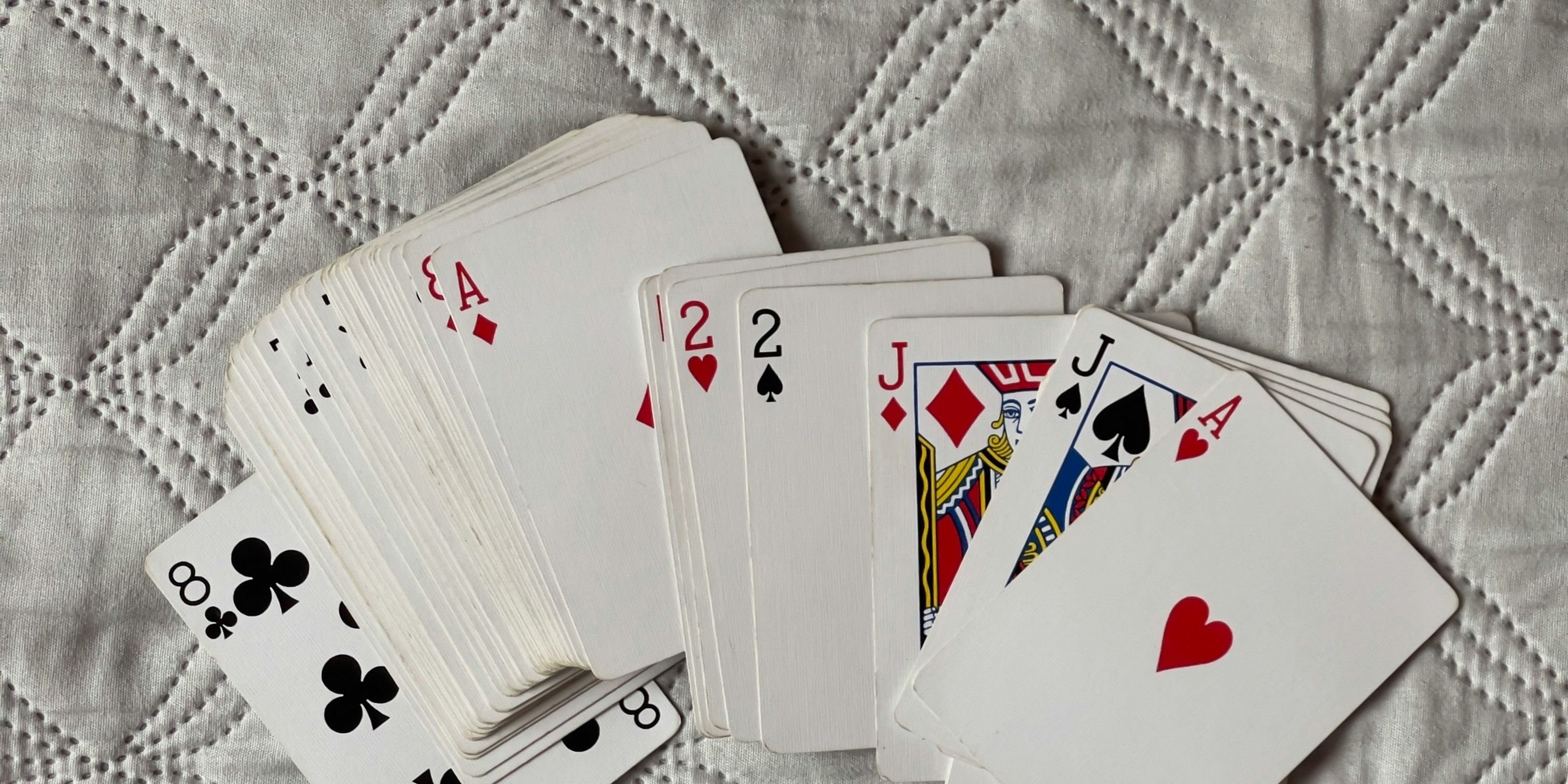
You might feel flat after gambling. Not just disappointed or stressed, but empty. Emotional gambling numbness can leave you disconnected from your feelings, your money, and the people around you.
At No Dice, you can explore these patterns privately and anonymously. There are no labels and no pressure, just space to look at what’s happening and what you might want to change.
In this guide, you’ll learn why emotional gambling numbness happens, what signs to watch for, and a few small steps you can take to feel more present and steady again.
https://www.youtube.com/watch?v=MwgI615VyxA
What Is Emotional Gambling Numbness?
Emotional numbness means you feel little or nothing where you once did. You may stop feeling joy, anger, or sadness even in situations that used to matter.
This can happen slowly, so you might think it’s just “being tired” or “busy.” Numbness isn’t the same as calm. Calm lets you feel. Numbness shuts down feeling to avoid pain, shame, or worry. You might use gambling to escape intense emotions or to fill a void when feelings get too hard to handle.
Recognizing Symptoms
You might notice clear signs, including:
- Reduced interest in hobbies
- Avoiding friends or family
- Feeling indifferent about wins or losses
- Having trouble crying or laughing
Sometimes it feels like you’re watching life on autopilot, disconnected from your body. Other signs include increased secrecy around gambling, using bets to pass the time, and struggling with small decisions. If gambling feels like the only thing that stirs any feeling, that’s a red flag worth noticing.
How Gambling Contributes To Emotional Detachment
Gambling can trap you in a cycle: you gamble to avoid bad feelings, then feel numb after the rush fades, and gamble again just to feel something.
The wins can hit hard with dopamine, but don’t build a lasting emotional connection. Your brain starts expecting that external hit instead of natural feelings.
You might hide losses or lie to dodge shame, which deepens isolation and makes it even harder to process emotions.
Psychological Causes Of Emotional Numbness From Gambling
Gambling changes how your mind handles stress, reward, and pain. These shifts often lead to emotional numbness by changing how you cope, react to wins or losses, and avoid tough feelings.
Coping Mechanisms
When you gamble to cope, you use betting to dull stress, shame, or boredom. Over time, this becomes a habit.
Your brain learns to seek gambling as the main way to feel better, so other healthier coping skills, like talking to someone or moving your body, fade. You may notice you stop feeling proud, sad, or anxious the way you used to.
That blunting can happen because gambling brings quick highs and then crashes. This roller coaster trains you to rely on gambling for emotion control, making real feelings feel distant or flat.
Desensitization To Wins And Losses
Repeated gambling can make your brain less sensitive to both wins and losses. At first, a win might feel thrilling. After many bets, the same win barely registers.
Losses also stop creating strong alarms. Your reactions get muted, so you might keep gambling even when outcomes harm you because your emotional signals just aren’t loud enough to stop you.
That dulling also reduces motivation to change. Tracking wins, losses, and feelings can help you notice when desensitization is happening.
Escapism And Avoidance Behaviors
You might gamble to escape uncomfortable thoughts or memories. Gambling gives a short break from worry, but it doesn’t solve the problem.
Over time, avoidance becomes a pattern. You cut off painful feelings rather than face them. Avoidance shrinks your emotional range, so important feelings, like grief, guilt, or relief, get pushed away.
That can create a sense of emptiness or numbness. Learning small steps to face triggers, like short breathing exercises or a quick check-in with someone you trust, can help reduce the urge to escape and slowly restore feeling.
Impact Of Emotional Numbness On Gamblers’ Lives
Emotional numbness can quietly change how you relate to others and how you handle work and daily tasks. It often shows up as withdrawal, missing responsibilities, and using gambling to feel anything at all.
Relationships And Social Isolation
When you feel numb, you may stop sharing feelings with partners, friends, or family. Conversations shrink to surface topics.
People notice you seem distant, and trust can slip when you avoid emotional moments or cancel plans. You might hide gambling to avoid shame, and secrets create distance, leading to arguments about money or time.
Loved ones may feel shut out and stop asking how you are, which makes loneliness worse. You may also lose interest in activities you once enjoyed. Social invitations start to feel like chores. Over time, fewer connections remain, and that smaller network makes it harder to get support when urges spike.
Work And Daily Functioning
Emotional numbness can affect focus and motivation at work. Tasks take longer, mistakes pile up, and deadlines feel overwhelming.
You might call in sick more often or avoid teamwork because emotional effort feels heavy. Money and time spent on gambling can cause missed bills or lost shifts, piling on stress and putting your job at risk.
Sleep might suffer, leaving you tired and less able to cope with routine demands. Daily self-care can slip, too. You may skip meals, ignore chores, or stop exercising. Small routines break down, which makes it harder to break the cycle of emotional numbness and gambling urges.
Identifying Warning Signs Early
Spotting early signs can help you act before gambling becomes a bigger problem. Look for clear shifts in actions and feelings that pop up more often than before.
Behavioral Changes To Watch For
Watch for:
- Hiding money
- Secret banking apps
- Unexplained withdrawals
- Borrowing from friends
- Using credit cards more often
Notice if you skip work, miss appointments, or lie about where you’ve been. Repeatedly chasing losses by gambling more after losing is a common pattern to catch early.
Pay attention to changing routines, like staying up late to gamble online, avoiding family events, or spending long stretches alone. These habits often grow slowly, so compare current behavior with how you acted months ago.
Emotional Red Flags
You may feel numb, flat, or disconnected from things you used to enjoy. Emotional numbness can push you toward gambling to feel anything at all.
Look for rising anxiety or irritability when you try to cut back or when you’re away from gambling. Strong guilt, shame, or secretive worry about your habits often signals trouble.
Be aware of using gambling to escape stress, loneliness, or boredom. If gambling becomes your main way to cope, it increases the risk that emotional numbness and damage will worsen.
Seeking Help And Practical Support Options
You can get practical support that helps reduce numbness and cut down on gambling. Here are options that can stay calm, private, and focused on small steps.
Skills-Based Support And Coaching
Some people find it helpful to talk with a supportive professional who focuses on habits, triggers, and repeatable routines.
You might work together to map your triggers, plan simple responses, and build small, steady replacements for gambling. This can include tracking urges, planning short “pause” scripts, and setting up limits that protect time and money.
If privacy matters, look for options that let you stay anonymous, keep details minimal, and move at a pace that feels manageable.
Support Networks And Quiet Accountability
Peer support spaces can offer shared experience and practical tips. Some meet online or by phone, which can feel more private.
A trusted friend or family member can also help, especially with clear boundaries and calm money rules. That might look like shared budgeting steps, agreed check-ins, or a plan for what happens when urges spike.
Digital tools can help with daily check-ins, trigger logs, and “walk me through this craving” prompts. Choose tools that protect your identity and store as little data as possible.
Prevention And Healthy Coping Strategies
You can learn quiet, practical steps to feel more present and reduce urges. Small habits and clear plans help you notice feelings, stop automatic gambling, and choose safer actions.
Building Emotional Awareness
Notice what you feel before, during, and after urges. Keep a simple journal or use a daily check-in to record:
- The time
- Your mood
- What happened
- How strong the urge felt
Use numbers for intensity (1–10) to spot patterns. Name emotions with plain words: bored, anxious, lonely, angry, tired. Say the words out loud or type them.
That helps you see if gambling follows certain moods or situations. Map triggers you can control, like time of day or people you meet, and triggers you can’t, like bad news.
Plan one small response for each trigger. For example, if you feel bored at night, call a friend, go for a walk, or open a distraction list.
If emotions feel overwhelming, pause for one slow breath and delay action by 10 minutes. That short break often weakens the urge and gives you a chance to pick something safer.
Mindfulness And Self-Care
Practice short, daily grounding exercises to stay connected to your body. Try three deep breaths, a two-minute body scan, or naming five things you can see. Do this when you notice restlessness.
Build a basic self-care plan with sleep, food, and movement goals. Aim for consistent sleep hours, regular meals, and a 20-minute walk three times a week.
Small habits lower stress and make urges easier to manage. Create a quick distraction toolkit you can access privately. Include:
- Phone numbers
- A playlist
- A hobby list
- Simple chores
- Links to anonymous support
Use the toolkit the moment an urge starts. Set safe limits for money and access. Move cards to a trusted person, set spending alerts, or use separate accounts. Combine these with emotional tools to protect both your feelings and your finances.
Long-Term Recovery And Emotional Growth
Recovery takes time and small steps. You can learn to feel more, not less, as you rebuild routines and habits. Start with simple daily rituals that ground you. Short walks, sleep routines, or brief breathing exercises help bring back steady feelings over weeks and months.
Talk about your emotions with someone you trust or in a private space. Sharing small moments of honesty helps you name feelings and makes them less scary.
Practice noticing triggers without acting on them. Keep a short log of what you felt, what happened, and one tiny next step you chose instead of gambling.
Build new rewards that aren’t linked to betting. Try hobbies, low-cost social activities, or short creative projects. Repeat them until they start to feel meaningful.
Expect setbacks and treat them as data, not failure. A slip shows where support or a different plan might help. Be kind to yourself and focus on the next small choice.
Celebrate tiny wins and track progress in simple ways. A checklist or a private app reminder can show you how far you’ve come and keep motivation steady.
A Quiet Next Step When You Feel Stuck
Reaching this point is more common than it seems. Emotional gambling numbness can make everything feel flat, but small steps can still restore a sense of choice.
If you want private, non-judgmental guidance, No Dice can help you map triggers, practice pause plans, and build safer routines without pressure.
Begin with one small step today, like a 10-minute delay, a simple check-in, or one limit that protects your money and time.
Frequently Asked Questions
Why Do I Feel Emotionally Numb After Gambling?
Emotional gambling numbness can happen when your mind gets used to intense highs and lows. After repeated wins and losses, your reactions may start to flatten out. You might feel empty, detached, or strangely calm. That numbness can be your way of coping with stress, shame, or overwhelm.
Is Emotional Numbness From Gambling Permanent?
No feeling is fixed forever. Emotional gambling numbness patterns can shift when you begin to notice triggers and make small changes. It usually doesn’t change all at once. Small, steady steps can help you feel more present over time.
How Can I Tell If Gambling Is Causing My Emotional Numbness?
Look for timing and patterns. If you feel more disconnected after gambling sessions, or if gambling feels like the only thing that sparks emotion, that’s important to notice. Tracking your mood before and after betting can help you see the connection more clearly.
What Are Small Steps I Can Take When I Feel Numb?
Start with something simple and private. Pause for a few minutes before placing a bet. Write down what you’re feeling, even if the answer is “nothing.” You can also plan one small replacement activity, like a short walk or a quick call to someone you trust. Small shifts create space between the urge and the action.
Can I Get Help Without Telling Everyone About My Gambling?
Yes. Many people prefer quiet, private support. You can look for options that allow anonymity and focus on practical steps instead of labels. Protecting your privacy while you sort through emotional gambling numbness patterns is a valid and common choice.
What If I’m Asking For Someone Else?
If you’re worried about someone you care about, focus on calm conversations instead of confrontation. Share what you’ve noticed and how it affects you. You can also encourage small steps, like tracking moods or setting simple limits. Change often begins with gentle awareness, not pressure.