

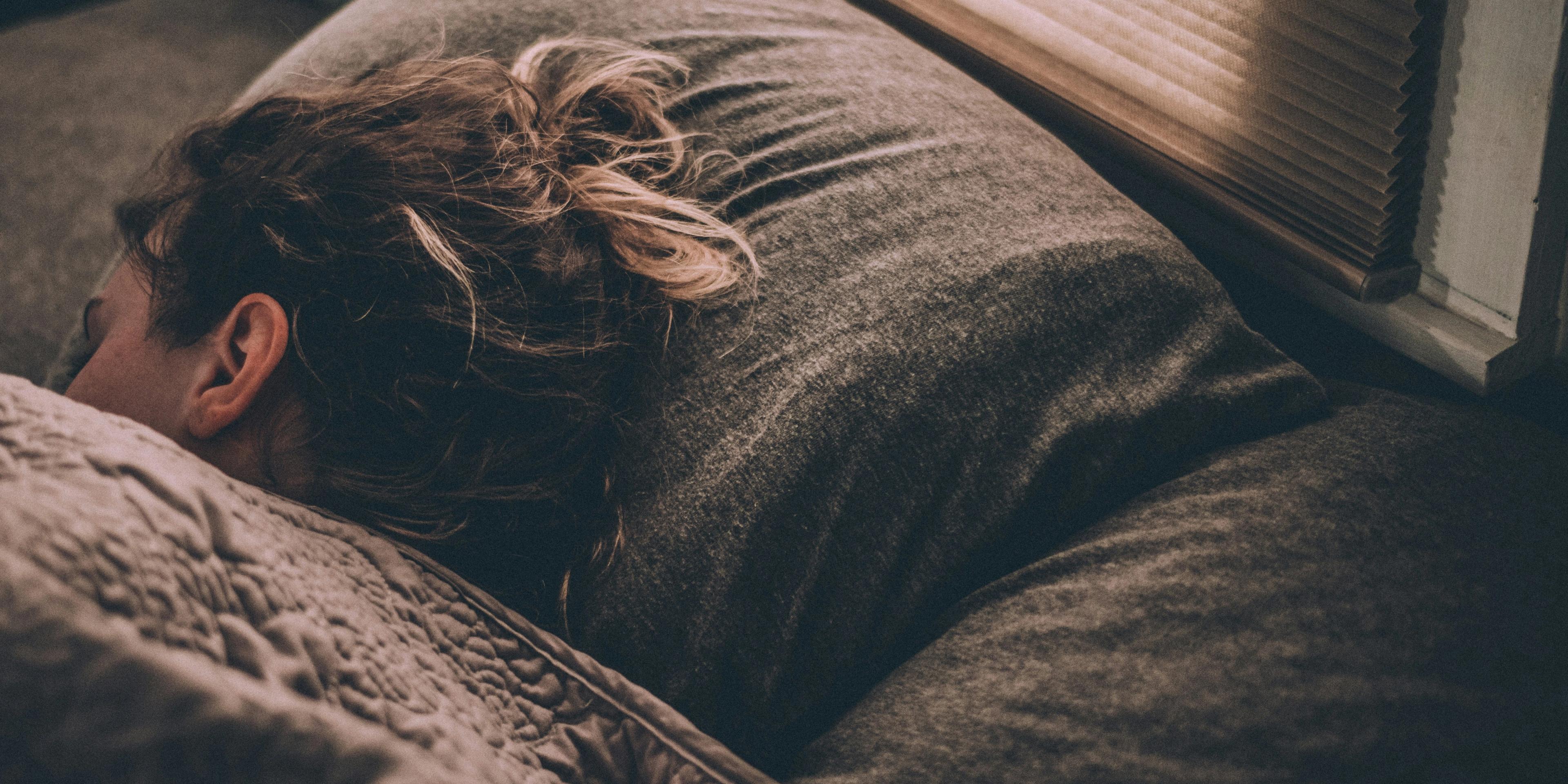
Late at night, the connection between sleep and gambling can feel stronger than expected. When you are tired, urges can hit harder, decisions feel rushed, and stopping becomes more difficult than it seemed earlier in the day.
No Dice is designed as a private place where people can explore gambling habits without pressure, labels, or judgment. Many people arrive quietly, simply looking for clarity about why certain patterns keep happening.
In this article, we look at how sleep loss affects gambling decisions, why nighttime urges often feel stronger, and a few small steps that can help you regain a sense of control.
https://www.youtube.com/watch?v=N02AO8l9wF8
The Connection Between Sleep And Gambling
Poor sleep and gambling often feed each other. Sleep loss strengthens urges, and gambling late at night cuts into sleep time.
How Sleep Impacts Gambling Behavior
When you do not sleep enough, your ability to make steady choices gets shaky. You feel more impatient and start craving quick rewards, which can push you toward risky bets or chasing losses.
Lack of sleep also weakens self-control. You might give in to urges faster and resist fewer temptations. Emotional reactions like anger, shame, or excitement can feel bigger after a rough night and spark impulsive play.
Look for signs like gambling more at night, placing bigger bets, or feeling unable to stop after losing. Small steps such as setting a bedtime, removing gambling apps before bed, or planning a calm routine can help break the loop.
Brain Function During Sleep Deprivation
Sleep loss changes how your brain weighs risk and reward. The prefrontal cortex, which usually helps you plan and think things through, takes a back seat. Meanwhile, reward centers like the striatum stay active, so a win feels even more tempting.
This shift makes you chase quick wins instead of thinking long term. Memory and attention drop, so you might miss patterns that show losing streaks or repeated mistakes. Your reaction time slows, which can lead to more bad decisions under pressure.
If you notice fuzzy thinking, trouble focusing, or risky choices after late nights, treat sleep as part of your gambling plan. Aim for regular sleep and skip late-night sessions to protect clear thinking. Know more about gambling trigger mapping.
Sleep Disorders And Gambling Addiction
Chronic sleep problems such as insomnia, shift-work sleep disorder, or sleep apnea raise the risk of compulsive gambling. Ongoing tiredness fuels stress, mood swings, and poor decision-making, making gambling habits worse over time.
People with sleep disorders sometimes gamble to cope with wakefulness or boredom. Nighttime gambling can turn into a habit that replaces sleep, locking both problems together.
If sleep problems stick around, try basic steps like maintaining consistent sleep times, winding down before bed, and cutting back on screens late at night. If that does not help, consider speaking with a health professional.
Effects Of Poor Sleep On Decision-Making
Poor sleep warps how you judge risk, control impulses, and handle emotions when gambling. These changes make it harder to stick to limits, judge odds, or walk away after a loss.
Impaired Risk Assessment
When you are running on little sleep, your brain cannot judge chances and consequences very well. You might overestimate your odds and brush off how much you could lose, which leads to bigger bets or riskier games.
Sleep loss slows your thinking and blurs the details. You could miss signs of a bad streak or ignore limits you set earlier. Small mistakes add up. You might misread payout rules, forget cooldown plans, or fail to notice mounting losses.
Try simple checks when tired. Set strict bet limits before you play, pause for a few minutes between bets, and avoid games that require quick decisions.
Impulse Control And Gambling Habits
Lack of sleep drains self-control. You feel more driven by urges and less able to follow your own rules. That can mean betting more often or chasing losses longer than you planned.
You might swap safer bets for impulsive moves like doubling down or trying high-volatility games. These bring a stronger immediate rush, even though they often mean bigger losses over time.
Some tactics can help. Set deposit and loss limits, turn off autoplay, and only play when you are well rested. If the urge hits hard, leave the session, take a breath, or write down the craving to interrupt the pattern.
Emotional Regulation And Betting Choices
Poor sleep can amplify emotions. When you are tired, frustrated, irritated, or sad, you may be pushed toward risky bets just to feel better quickly. You may also misread wins and losses. Small wins feel bigger and keep you playing. Minor losses sting more and can trigger revenge betting.
To protect yourself, notice emotional triggers and pause before betting. Step outside, drink water, or write down why you set a limit. If feelings become overwhelming, reaching out for support can help more than continuing to bet.
Sleep Deprivation And Problem Gambling
Lack of sleep makes your thinking fuzzy, emotions louder, and urges harder to resist. This can nudge you toward risky bets, increase the chance of relapse if you are cutting back, and create a cycle where gambling harms your sleep again.
Increased Gambling Urges
When you are tired, your brain craves quick rewards and ignores careful choices. Sleep loss lowers your ability to plan and increases impulsive behavior.
You might notice stronger cravings to gamble after a rough night because the short-term thrill feels easier than thinking about consequences. Fatigue also makes it harder to spot warning signs like rising losses or stress. You may keep playing longer, chase losses, or take bigger risks.
Relapse Risk And Insomnia
Insomnia or broken sleep can increase relapse risk if you are trying to cut down. You might gamble to cope with boredom, anxiety, or the fog of tiredness.
The quick relief gambling provides may feel helpful in the moment, but it often disrupts sleep even further and adds stress the next day. If you wake up at night with urges, try alternatives like stepping outside, doing a short breathing exercise, or writing down what you are feeling.
Vicious Cycles: Lack Of Sleep And Addiction
Gambling and poor sleep often reinforce each other. A night of heavy gambling can mean late hours, screen exposure, and racing thoughts that make sleep difficult.
Then poor sleep affects judgment and increases cravings, making gambling more likely the next day. Breaking the cycle often starts with simple routines. Keep regular bedtimes, limit screens before sleep, and replace late gambling with calming rituals.
Gambling Habits And Their Influence On Sleep
Your gambling habits shape when you sleep, how long you sleep, and how rested you feel. Even small changes in gambling timing can improve sleep quality, energy, and mood.
Late-Night Gambling Sessions
Staying up late to gamble pushes your bedtime later and reduces sleep. A planned “just one more bet” can easily stretch into hours.
Late-night wins or losses also trigger the release of adrenaline and stress hormones. These reactions make it harder to fall asleep even after the session ends. Set a clear cutoff time at least 1 hour before bed, and replace late sessions with quieter activities like reading or showering.
Learn more about stress and gambling. + Tips on how to manage triggers and regain control.
Screen Time And Melatonin Disruption
Screens from gambling apps, betting sites, and streams produce blue light that suppresses melatonin. When melatonin levels drop, your brain delays sleep, making it harder to fall asleep.
Active sessions like watching live odds or tracking bets keep your brain alert. Both habits interfere with the natural wind-down process needed for deep sleep. Limit screens before bed and switch to non-screen activities once your gambling window closes.
Sleeping Patterns Shifted By Gambling
Gambling can turn a steady sleep schedule into an irregular one. Some nights you may stay up late, while other nights you try to recover with naps or sleeping in.
This inconsistency affects alertness, decision-making, and impulse control the following day. Try to keep consistent wake and sleep times, even on weekends, and schedule gambling earlier in the evening when possible.
Strategies For Healthier Sleep And Gambling Boundaries
Better sleep improves focus, mood, and decision-making. Small changes to routines and boundaries can reduce late-night urges.
Setting Boundaries For Gaming Hours
Choose a firm stop time for gaming each night and write it somewhere visible. Stopping 60 to 90 minutes before bedtime allows your mind to settle.
You can also set rules like limiting sessions to certain hours or using alarms to mark start and stop times. Tracking how well you follow these limits for a week can reveal patterns such as boredom or stress that trigger late-night gambling.
Developing Relaxing Nighttime Routines
Create a routine that signals to your body it is time to sleep. Dim the lights, shut off screens, and choose a low-energy activity like stretching, journaling, or reading.
Keep your bedroom focused on rest. Remove gaming devices if possible and keep the environment cool and calm. Even two small routine steps, like a warm drink and a few minutes of breathing, can help your body transition into sleep.
Seeking Professional Help
If sleep loss or gambling urges are affecting daily life, talking with a professional may help identify patterns and practical strategies. Keeping a simple log of sleep times and gambling habits can help reveal triggers. Many people prefer starting with private, low-pressure support before making bigger changes.
Long-Term Health Consequences
Chronic poor sleep combined with gambling-related stress can gradually affect mood, thinking, and physical health.
Chronic Sleep Loss And Mental Wellbeing
Long-term sleep loss can increase anxiety, low mood, and stronger gambling urges. Focus may slip, thinking can feel foggy, and emotional stability becomes harder to maintain. These changes can make it harder to resist urges and weaken coping strategies that previously worked.
Physical Health Impacts
Not getting enough sleep for long periods can increase blood pressure, affect blood sugar, and raise inflammation levels. Late-night eating or stress snacking after losses can also contribute to weight gain.
Chronic fatigue may increase accident risk, particularly when driving or making quick decisions. Small changes, such as reducing screens before bed and setting gambling limits, can gradually support healthier sleep.
Quality Of Life Outcomes
Sleep loss and gambling together can strain relationships, work, and financial stability. You might avoid social situations or hide habits out of embarrassment. Over time, hobbies and activities may lose their appeal as more attention goes toward betting or thinking about losses. Tracking even one sleep habit or spending pattern for a week can help rebuild a sense of control.
When Sleep And Gambling Start Affecting Each Other
Noticing the link between sleep and gambling can feel frustrating, especially when urges show up late at night and sleep keeps getting pushed further away. Many people experience this cycle, where tiredness makes decisions harder and nighttime habits quietly grow.
No Dice offers a private way to explore these patterns without pressure or judgment. The focus is on understanding triggers, building small routines, and finding calmer ways to handle urges when they appear.
If you are ready, start quietly, get private guidance, and begin with one small step tonight.
Frequently Asked Questions
Why Do Gambling Urges Feel Stronger At Night?
Nighttime often combines two things that make urges stronger: fatigue and fewer distractions. When you are tired, the brain tends to look for quick rewards and relief from stress. This is why the connection between sleep and gambling often becomes more noticeable late in the evening. Decisions feel more impulsive, and it can become harder to pause or step away.
Can Poor Sleep Make Gambling Decisions Worse?
Yes, poor sleep can affect focus, patience, and impulse control. When you are sleep deprived, your ability to slow down and think through choices becomes weaker. This can make risky bets feel more appealing or make it harder to stick to limits you planned earlier in the day.
Why Does Gambling Make It Harder To Fall Asleep?
Gambling can keep the mind active even after the session ends. Wins, losses, and close calls can create adrenaline and racing thoughts that delay sleep. Screen exposure from gambling apps or sites can also disrupt natural sleep signals, making it harder for the body to wind down.
What Can Help Reduce Gambling Urges Before Bed?
Simple wind-down habits can help shift your mind away from gambling. Turning off gambling apps, dimming lights, or switching to quiet activities like reading can make a difference. Some people also find it helpful to set a clear evening cutoff time for gambling so the brain has space to settle before sleep.
How Can Someone Support A Loved One Struggling With Sleep And Gambling?
Support often starts with calm conversations and avoiding judgment. Many people feel embarrassed or defensive when discussing gambling habits. Encouraging small steps like healthier sleep routines or open discussions about triggers can help create a safer environment for change.
What Are the Signs That Gambling Is Affecting Sleep?
Common signs include staying up later than planned, thinking about bets while trying to sleep, or waking up feeling exhausted after late sessions. Over time, disrupted sleep can lead to irritability, difficulty concentrating, and stronger urges to gamble the next night.