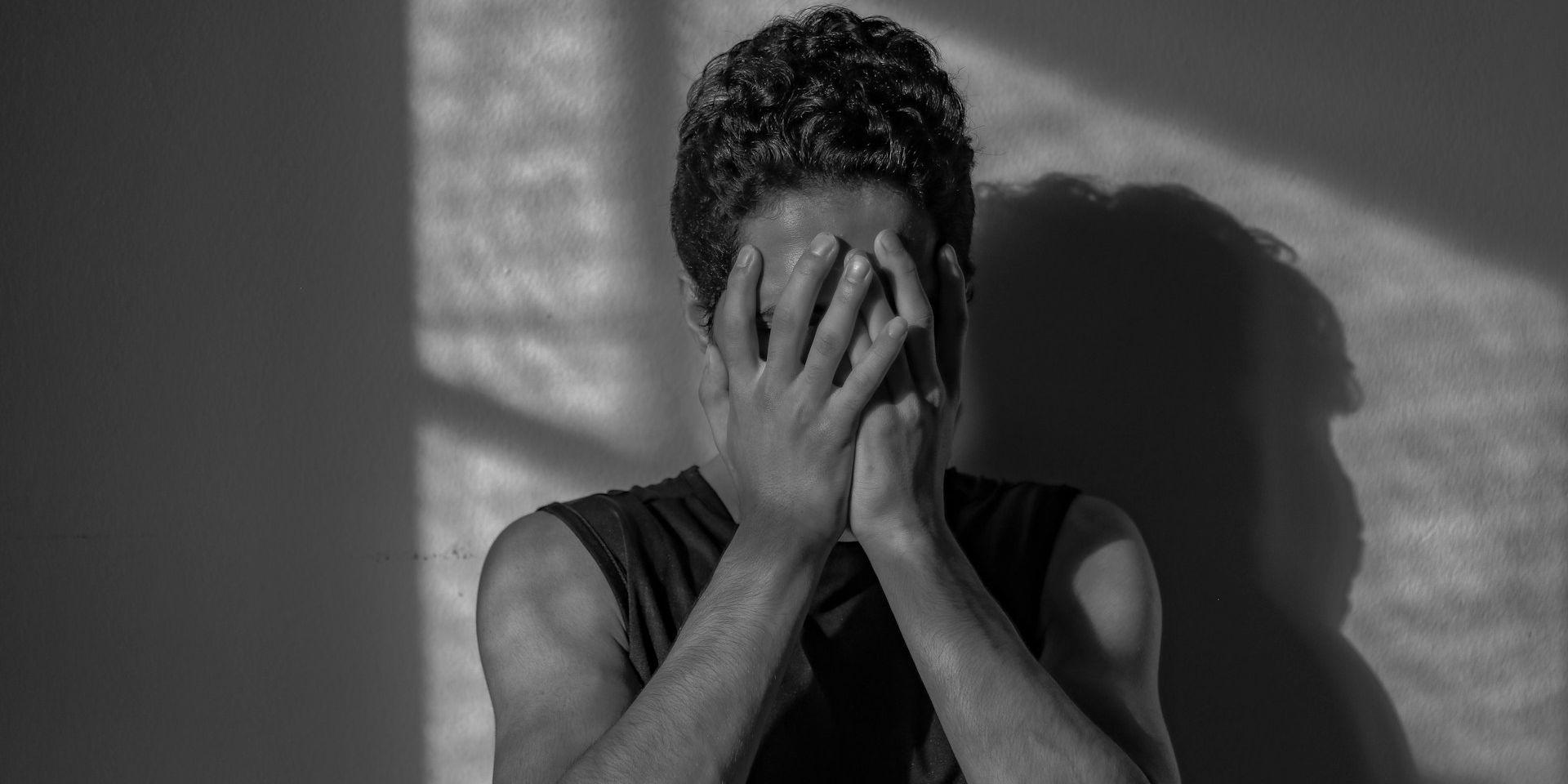
If you've tried to stop gambling and suddenly felt anxious, couldn't sleep, or couldn't stop thinking about placing a bet, you were experiencing gambling addiction withdrawal symptoms, and they are completely real.
When you stop gambling, your brain loses access to a powerful dopamine source it has come to depend on, and that loss creates a wave of emotional and physical responses that can feel overwhelming. The good news is that these symptoms are temporary; they follow a pattern, and there are proven ways to move through them without returning to the behavior that caused them.
This article walks you through exactly what gambling withdrawal feels like, why it hits so hard, how long it typically lasts, and what genuinely helps. You will find practical strategies, clear timelines, and honest guidance from No Dice, so you can face this process knowing what to expect at every step.
What Withdrawal Can Feel Like In The First Days
The earliest days after stopping gambling tend to be the most emotionally turbulent, and the symptoms can catch you completely off guard if you don't know what to look for. Knowing that restlessness, cravings, and disrupted sleep are all part of the process, not signs that something is permanently wrong, makes a real difference in how you respond to them.
Restlessness And Irritability After Quitting
Within the first 24 to 72 hours of stopping, many people notice a buzzing, edgy feeling that makes it hard to sit still. Your brain is used to a constant loop of anticipation and reward, and without it, it searches restlessly for that stimulation.
That restlessness often comes out as irritability. You might snap at people over small things, feel frustrated for no clear reason, or find yourself pacing without knowing why. These are not personality flaws; they are your nervous system recalibrating after a significant change.
Cravings To Gamble And Obsessive Thoughts
Cravings during gambling withdrawal are not gentle nudges. They can show up as intrusive, repetitive thoughts that feel almost impossible to interrupt.
You might catch yourself mentally replaying a game, calculating odds, or imagining what it would feel like to place one more bet. Triggers make these cravings spike fast.
Seeing a sports score, hearing a notification on your phone, or even feeling stressed can trigger a craving response in your brain within seconds. That's because your brain has linked those cues to the dopamine reward, and it reacts automatically before you've had a chance to think.
Depression, Anxiety, And Emotional Numbness
When gambling stops, the dopamine crash that follows can produce feelings that look a lot like clinical depression. Everyday activities lose their color.
Things that used to feel rewarding, like a good meal or time with friends, might feel flat or pointless in the early days. Anxiety often runs alongside this emotional numbness.
You might feel a low hum of dread or worry without being able to name a specific cause. Both of these responses are your brain adjusting to the absence of artificial stimulation, and they typically ease as your reward system rebalances.
Insomnia And Changes In Sleep Patterns
Sleep disruption is one of the most common and frustrating symptoms of gambling withdrawal. Your brain, which is in a state of heightened alertness from the withdrawal process, has difficulty winding down at night.
You might lie awake replaying scenarios, wake up in the middle of the night with a racing mind, or sleep more than usual to escape the discomfort. Both extremes are normal.
Keeping a consistent sleep-and-wake schedule, even when it's hard, gives your brain the structure it needs to start regulating itself again.
The Physical Symptoms People Often Don't Expect
Most people expect gambling withdrawal to stay emotional, so the physical symptoms tend to come as a surprise. Your body responds to the stress of withdrawal in concrete, measurable ways that go well beyond mood changes.
Headaches, Nausea, And Stomach Upset
Headaches are one of the most commonly reported physical symptoms in the early days of gambling withdrawal. They tend to be tension-based, driven by stress hormones and disrupted sleep patterns rather than any structural cause.
Nausea and stomach discomfort are also common, particularly in the first week. Your body's stress response directly affects digestion, which is why you might feel queasy, lose your appetite, or notice changes in your gut even when you haven't changed what you're eating.
Heart Palpitations And Racing Heart
Some people notice their heart beating faster than usual or feel a fluttering sensation in their chest during withdrawal. This happens because your nervous system is in a heightened state, releasing stress hormones like cortisol and adrenaline as it adjusts to the absence of gambling-related stimulation.
These palpitations are usually brief and tied directly to moments of anxiety or intense craving. They are uncomfortable, but for most people they are not dangerous.
Slowing your breathing deliberately, such as inhaling for four counts and exhaling for six, can calm the nervous system response within a few minutes.
Difficulty Breathing And Chest Tightness
Chest tightness and a feeling of restricted breathing are symptoms that often accompany the anxiety spikes of gambling withdrawal. They feel alarming, which can make the anxiety worse, creating a short feedback loop that intensifies both sensations.
This response is rooted in the same stress hormones driving other physical symptoms. When your body perceives a threat, it tightens the chest and shortens the breath as part of its alert response.
Recognizing the cause helps you stay grounded rather than panicking, which is what breaks the loop.
When Physical Withdrawal Symptoms Need Medical Help
Most physical withdrawal symptoms from gambling are uncomfortable but not medically dangerous. That said, certain symptoms deserve prompt professional attention.
Seek medical help if you experience chest pain that doesn't ease with rest, severe difficulty breathing, thoughts of harming yourself, or symptoms that feel like they are getting worse rather than better after the first week. Co-occurring conditions, like heart problems or a pre-existing anxiety disorder, can interact with withdrawal in ways that need a doctor's oversight.
You don't have to be certain something is wrong to reach out; if something feels off, getting checked is always the right move.
Why Stopping Gambling Hits So Hard
The intensity of gambling withdrawal comes down to how deeply gambling rewires your brain's reward system, and the effect builds over time in ways that most people don't notice until they try to stop. Behavioral patterns and emotional triggers lock the cycle in place long before it feels out of control.
How Dopamine And The Reward System Get Involved
Every time you gamble, your brain releases dopamine in anticipation of a possible reward. The keyword is "possible" because unpredictable rewards trigger a stronger dopamine response than guaranteed ones.
That's why a near-miss feels almost as stimulating as a win. Over time, your brain recalibrates its baseline around that heightened dopamine activity.
Ordinary pleasures, like a good conversation or a satisfying meal, no longer produce the same chemical response. When gambling stops, your dopamine system is left undersupplied, and your mood crashes accordingly.
Why Triggers And Chasing Losses Keep The Cycle Going
Gambling doesn't just happen in a vacuum; it gets tangled up with specific places, times, emotions, and rituals. Your brain links these cues to the reward, so encountering any of them can instantly activate the craving circuit, even months after you've stopped.
Chasing losses adds another layer. When you lose money, the same brain regions that respond to physical pain become active.
Gambling again feels like the fastest way to neutralize that pain, which is why the urge to keep playing after a loss is so strong. This isn't a rational decision; it's your brain's pain-avoidance response overriding everything else.
How Gambling Becomes A Behavioral Addiction
Problem gambling, also called compulsive gambling, gambling disorder, and pathological gambling, is classified as a behavioral addiction because it produces the same neurological changes as substance use without involving a drug. Tolerance builds just like it does with alcohol or opioids; over time, you need to bet larger amounts or take bigger risks to feel the same level of excitement.
That means stopping is not simply a matter of deciding to stop. Your brain has been structurally changed by repeated exposure to high-stakes reward cycles, and it resists the removal of that stimulation. That resistance is what produces withdrawal.
How Long Symptoms Last And What Recovery Looks Like
Recovery from gambling addiction withdrawal is not a straight line, but it does follow a general pattern that most people move through when they have the right support. How long your symptoms last depends on factors specific to your history, and knowing those factors helps you set realistic expectations.
What Can Affect Severity And Duration
The length and intensity of gambling addiction withdrawal vary based on how long you've been gambling, how frequently you gambled, and whether you used gambling to manage stress or emotional pain. Someone who gambled heavily every day for years will typically experience a more prolonged adjustment than someone who gambled occasionally over a shorter period.
Co-occurring mental health conditions, like anxiety disorders or depression, can extend the withdrawal timeline because the brain is managing multiple imbalances at once. Access to professional support, structured routines, and social connection all shorten the duration of the hardest symptoms.
What Improvement Usually Looks Like Week By Week
In the first week, symptoms tend to peak. Cravings are most intense, sleep is most disrupted, and irritability runs highest.
By weeks two and three, the acute physical symptoms start to fade. Headaches, nausea, and heart palpitations become less frequent.
Mood remains low, and cravings persist, but they become more manageable, especially when you have a craving response plan ready. By the end of the first month, many people notice real windows of emotional stability.
Sleep improves, and cravings occur less often, although specific triggers can still trigger them. Emotional symptoms like depression and anxiety often take the longest to fully resolve, sometimes extending into the second or third month of recovery.
Signs You May Need More Support
If your symptoms are not easing after two to three weeks, or if they are getting worse, that is a clear signal to seek professional mental health support. Persistent depression, thoughts of self-harm, inability to function at work or in relationships, and severe anxiety that doesn't respond to self-management strategies all indicate that additional help is needed.
Reaching out is not a sign that you failed at recovery. It means you're taking your mental health seriously, which is exactly what sustained recovery requires.
What Actually Helps When The Urge Spikes
Getting through the hardest moments of gambling addiction withdrawal requires more than good intentions; it requires a concrete plan that you can use before the craving peaks, not after. CBT, medication, mindfulness, and peer support each play a specific role in recovering from gambling addiction, and combining them consistently produces better outcomes than any single approach alone.
A Simple Craving Plan You Can Use Right Away
When a craving hits, the goal is to interrupt it before your brain shifts into automatic pilot. Here is a simple step-by-step routine you can use in the moment:
- Name it out loud or in writing. Say or write "I'm having a craving right now." Naming it activates your rational brain and creates a small but important gap between the urge and your response.
- Breathe deliberately for 60 seconds. Inhale for four counts, hold for two, exhale for six. This physically slows your nervous system's stress response, not just mentally.
- Change your physical location. Move to a different room, step outside, or walk around the block. Changing your environment interrupts the cue-response loop your brain is running.
- Contact one person. Text or call someone you trust. You don't have to explain everything; even a brief "I'm having a rough moment" breaks the isolation that cravings thrive in.
- Wait 15 minutes before making any decision. Most cravings peak and begin to fade within 15 to 20 minutes if you don't feed them.
Practice this sequence before you need it so that it feels familiar when the pressure is real.
CBT And Cognitive-Behavioral Therapy For Gambling Recovery
Cognitive-behavioral therapy is one of the most well-supported treatments for gambling disorder. It works by helping you identify the distorted thinking patterns that fuel gambling, such as the belief that a losing streak makes a win more likely, or that you can control random outcomes through skill or ritual.
A CBT therapist will help you build specific coping strategies for your personal triggers. They also help you replace gambling-linked thought patterns with ones grounded in reality.
Sessions are typically structured and skills-focused. This means you leave each one with tools you can apply right away.
Medication Management For Anxiety, Depression, And Sleep
No medication currently has FDA approval specifically for gambling disorder. However, several medications are used effectively to manage the co-occurring symptoms that make withdrawal harder.
Antidepressants can stabilize the mood crashes that follow dopamine withdrawal. Anti-anxiety medications can take the edge off the constant alertness that fuels cravings.
Sleep aids, when used carefully under a doctor's guidance, can help restore sleep patterns in the first few weeks. Talk to a doctor about what combination makes sense for your specific symptoms.
Mindfulness, Support Groups, And Gamblers Anonymous
Mindfulness practices, like urge surfing, teach you to observe a craving without acting on it. Instead of fighting the urge or feeding it, you watch it rise, peak, and pass, the same way a wave does.
This approach reduces the power cravings hold over your decisions over time. Gamblers Anonymous (GA) offers peer support from people who understand gambling withdrawal from personal experience.
Meetings are free, widely available, and structured around a 12-step framework. Many people find that hearing others describe their own experience of obsessive thoughts and emotional crashes reduces the shame and isolation that often accompany the early stages of recovery.
Where To Find Help Through The National Council On Problem Gambling
The National Council on Problem Gambling (NCPG) operates the National Problem Gambling Helpline, which you can reach by calling or texting 1-800-522-4700. The helpline is available 24 hours a day, seven days a week, and connects you with trained counselors who can help you identify treatment options in your area.
The NCPG also offers a confidential online chat option if calling feels like too much right now. You can reach it at ncpgambling.org.
This is a good first step if you're not sure yet what kind of help you need. The counselors there can help you figure that out.
How To Know It's More Than A Bad Habit
The line between problem gambling and a bad habit is not always obvious, especially when you're in the middle of it. Gambling disorder has specific diagnostic criteria that separate it from occasional poor decisions. Recognizing those criteria early changes the kind of support you reach for.
Warning Signs Of Gambling Disorder
Gambling disorder tends to show up across several areas of life at once, not just in the amount of money lost. Common warning signs include:
- Needing to bet larger and larger amounts to feel excitement
- Repeated unsuccessful attempts to cut back or stop gambling
- Gambling to escape worry, guilt, or a low mood rather than for entertainment
- Lying to family members or others about how much you gamble
- Borrowing money or selling belongings to fund gambling
- Jeopardizing a job, relationship, or significant opportunity because of gambling
- Feeling restless or irritable when you try to reduce or stop gambling
The more of these signs you recognize, the more important it becomes to seek professional support.
What The American Psychiatric Association Says
The American Psychiatric Association classifies gambling disorder in the Diagnostic and Statistical Manual of Mental Disorders (DSM-5) as a recognized mental health condition, placing it alongside substance use disorders based on how it affects the brain's reward system.
A diagnosis requires that a person meet at least four of nine specific criteria within a 12-month period, making it a clinical assessment rather than a judgment call.
When To Reach Out For Professional Mental Health Care
You don't need to hit a rock bottom before seeking professional help. If gambling is affecting your finances, relationships, sleep, or mental health, those are enough reasons to talk to someone who specializes in behavioral addictions.
A licensed therapist, a psychiatrist, or an addiction specialist can assess where you are and build a treatment plan that fits your situation. If you're unsure where to start, your primary care doctor can refer you to a specialist or point you toward local resources.
Frequently Asked Questions
What withdrawal symptoms can happen when someone stops gambling?
When you stop gambling, you may experience restlessness, irritability, intense cravings, depression, anxiety, emotional numbness, insomnia, headaches, nausea, and heart palpitations.
These symptoms develop because your brain's dopamine system has to readjust after losing a major source of stimulation. For most people, the most intense symptoms appear in the first one to two weeks.
How long do withdrawal symptoms usually last after quitting gambling?
The sharpest symptoms typically peak in the first week and begin easing by weeks two and three. Emotional symptoms like depression and anxiety can linger for one to three months, depending on how long and how heavily you gambled.
Are gambling withdrawal symptoms similar to those from substance use?
Yes, the psychological and behavioral symptoms closely parallel those seen in substance use withdrawal, including cravings, mood crashes, irritability, and sleep disruption.
The main difference is that gambling withdrawal does not typically produce the dangerous physical symptoms, like seizures, that can occur with alcohol or opioid withdrawal. That said, the emotional intensity can be just as severe and just as disruptive to daily life.
What emotional changes might I notice after I stop gambling?
You might feel a deep flatness or emptiness in the first weeks, as though things that used to matter no longer do. Anxiety, irritability, guilt, and mood swings are also common emotional responses during this period.
These changes are driven by dopamine withdrawal and typically improve as your brain's reward system recalibrates.
When should I seek professional help for withdrawal symptoms after quitting gambling?
Seek professional help if your symptoms are not improving after two to three weeks, if you are experiencing thoughts of self-harm, or if you are unable to maintain basic daily functioning. You should also reach out if you have already tried to stop multiple times without success.
A mental health professional or addiction specialist can provide the structured support that makes a real difference in outcomes.
What can I do at home to cope with cravings and discomfort while I'm recovering?
You can use deliberate breathing to interrupt a craving's physical response. Change your physical environment when urges spike, and contact someone you trust to break the isolation.
Keeping a consistent daily schedule gives your brain structure and reduces the idle time when cravings tend to strengthen. Connecting with a support group like Gamblers Anonymous adds ongoing accountability and lived understanding from people who know what this feels like.
Moving Forward Through Recovery
Gambling addiction withdrawal symptoms are intense, but they are a sign that your brain is beginning to heal. While the first few weeks are often the most challenging, the physical and emotional discomfort will fade as your system recalibrates.
You do not have to navigate this process in isolation. Tools like No Dice can provide the professional support and structure you need to manage cravings and build a life free from the cycle of gambling.
Recovery is about reclaiming your time, your finances, and your peace of mind. Download the app today to access expert resources and start prioritizing your long-term well-being.