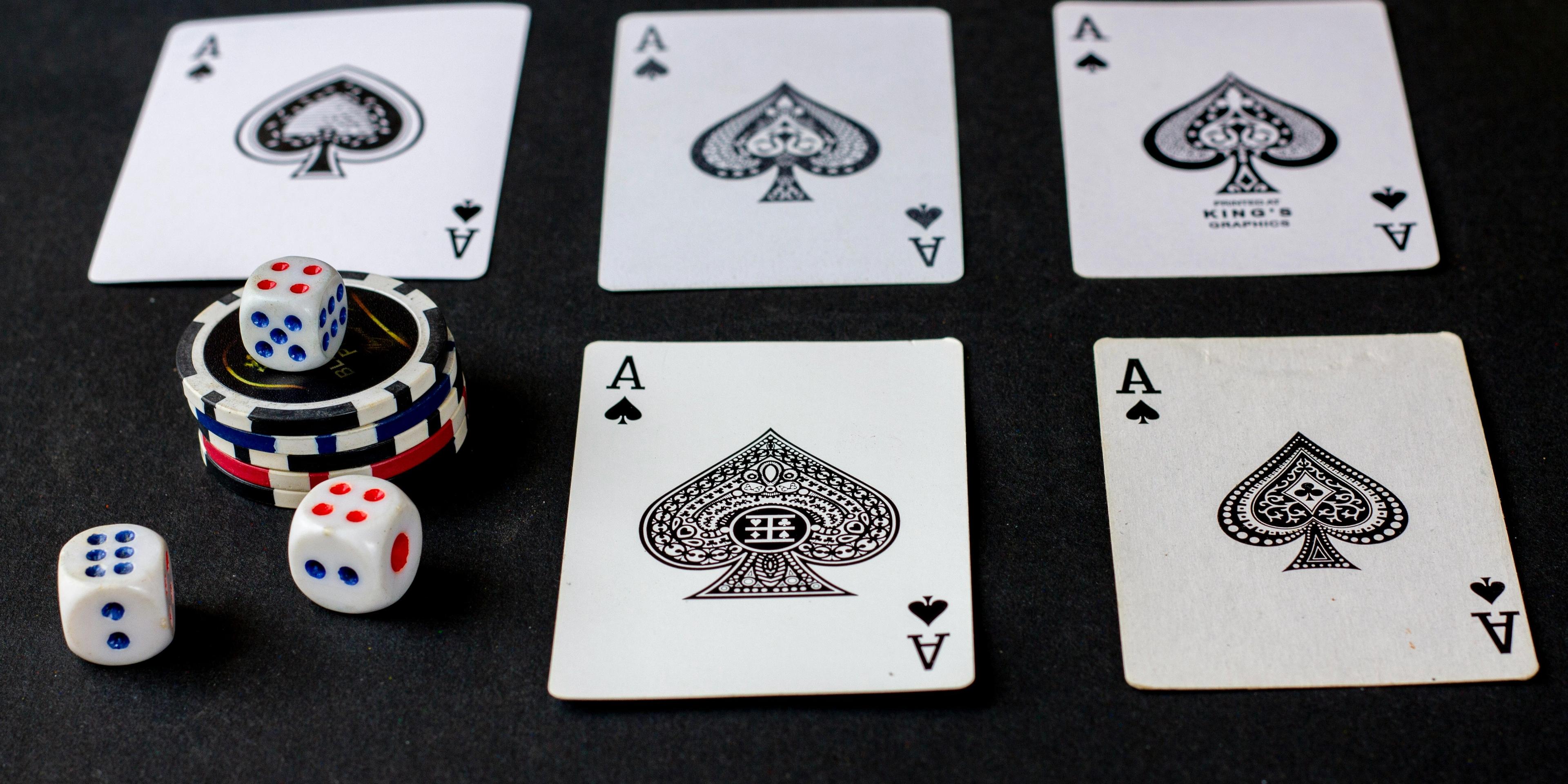
Weekend gambling can start as a way to relax, socialize, or add excitement to free time. But for many people, weekends are also when limits slip, time disappears, and spending goes beyond what was planned. That loss of control can feel confusing, stressful, and hard to talk about.
If you’re looking for a private, non-judgmental way to understand your weekend gambling habits, No Dice offers quiet support without labels or pressure. Everything is built around privacy, anonymity, and meeting you where you are.
This article breaks down what weekend gambling looks like, why it can feel harder to manage, and how small, practical steps can help you feel steadier. You don’t need a big reset. One clear boundary at a time is enough.
https://www.youtube.com/watch?v=MwgI615VyxA
What Is Weekend Gambling?
Weekend gambling means placing bets or playing games with money over the weekend. It usually happens on Friday evenings, Saturday, and Sunday. People often do it to relax, socialize, or chase quick wins.
It can be short sessions after work or longer stretches during free time. You may feel more tempted on weekends because you have more free time, social plans, or special events, such as big sports fixtures.
For some people, weekend play stays casual. For others, it can become frequent and costly if not watched.
Popularity Of Weekend Gambling
Weekends see higher activity because sports schedules and live events often fall then. Bookmakers, casinos, and online sites promote weekend offers and tournaments to match demand. Social gatherings and broadcasts also push people toward group betting or fantasy leagues.
Young adults and working-age people tend to gamble more on weekends. Patterns can vary by region and culture, but the common driver is free time plus social triggers. If you notice a routine of weekend play, it can be useful to track how much time and money you spend on it.
Different Types Of Weekend Gambling Activities
Common weekend gambling activities include:
- Sports betting on weekend matches and tournaments.
- Casino visits for table games, slots, or nights out.
- Online gambling on apps and websites, especially mobile, during events.
- Home poker or pool bets among friends.
- Fantasy sports contests and betting pools.
Each activity brings different risks. Live venues can encourage longer sessions, and online options make betting easy and private. Tools like time limits and spending caps can help you set boundaries and reduce urges without judgment.
Planning Your Weekend Gambling Experience
Plan where you’ll go, how much you’ll spend, and which games you’ll play. Make choices that match your energy, budget, and comfort level so weekend gambling stays fun and within your control.
Choosing The Right Casino Or Venue
Pick a venue close to home or with easy transport so you don’t add stress or long travel costs. Check opening hours and any entry rules in advance. Look for places with clear staff presence and good lighting if you prefer a safer, more visible setting.
Consider quieter areas or off-peak times if crowds make you uneasy. If you want help staying private or limiting access, use tools like self-exclusion lists or apps that block betting sites.
Setting A Budget
Decide on a total amount you can afford to lose before you go. Treat that sum as spent money; don’t plan to recover losses.
Break the total into session amounts and set a strict stop point for each session. Use cash instead of cards to make limits tangible, or set preloaded limits on your card or betting account.
Record bets and time spent; small checks help you spot rising risk quickly. If you feel the urge to go over budget, step away and use a pause method, such as a short walk or a breathing exercise.
Understanding The Games Offered
Learn the basic rules and house edge of a few games before you play. Slot machines vary widely by payout and volatility; table games like blackjack and poker need strategy.
Choose simpler games if you prefer low mental load, or study basic strategy for games where skill lowers the house edge. Ask staff for official rules or a paytable to avoid surprises.
Watch a round before joining so you see the pace and bet sizes. If a game feels confusing or too fast, move to something clearer to keep control over time and money.
Tips For A Successful Weekend Gambling Trip
Plan your time, protect your money and mood, and choose activities that keep you relaxed and in control. The practical steps below will help you enjoy weekend gambling while limiting harm and staying within your goals.
Time Management
Set a clear schedule before you go. Decide what time you will arrive, how long you'll stay, and a firm time to stop.
Use your phone's alarms to remind you when a session ends. Break the day into blocks: travel, play, meals, rest, and a buffer for delays.
Limit active gambling to short, planned sessions; one to two hours at a stretch works well. Take breaks away from gaming areas to check how you feel. Plan evening downtime that doesn’t involve gambling, like a walk or a meal with a friend.
Responsible Gambling Practices
Set a strict money limit before you start. Put that cash or prepaid card aside and leave other payment methods at home. Treat your limit as non-negotiable. Decide on a loss limit and a small win rule; walk away after a set loss or a modest win.
Avoid chasing losses; chasing usually increases risk. If you feel a strong urge to keep playing after a loss, step outside and wait 30 minutes before making any decision. Tell a trusted person your plan or use an app to get private support and reminders. Use self-exclusion or cooling-off options if you think you’ll need them.
Maximizing Your Enjoyment
Choose games you actually enjoy that fit your time and budget. Low-stress options and social table games can be more fun than high-speed machines for long evenings.
Try one new game, but keep most playing familiar choices. Plan non-gambling activities around the trip: sightseeing, a good meal, live music, or a show.
Those give you reliable enjoyment no matter the game outcomes. Bring comfortable clothes, water, and snacks to avoid fatigue and poor choices.
Keep a simple checklist: money limit, stop time, two breaks, and one non-gambling plan. Tick each box during the weekend to help you stay present and enjoy the trip.
Popular Weekend Gambling Destinations
Weekend trips can offer big casinos, short flights, or unique cultural experiences. Think about travel time, budget, and whether you want glitzy gaming floors, relaxed resort vibes, or a rare international scene.
Top Domestic Casinos
If you want lots of games and easy travel, major U.S. casino hubs deliver. You’ll find large casinos with hundreds of slot machines, multiple table games, and regular poker tournaments.
Many offer hotel rooms, dining options, and live shows, so your weekend stays feel full without the need for long drives. Look at weekdays or early Sunday to avoid crowds and get better table access.
Check each property’s rewards program before you go; points can lower food and room costs. If you’re trying to limit play, plan strict time blocks and use self-exclusion tools or a blocking app to help reduce temptation.
Best Weekend Getaways For Gambling
Short trips to nearby resort towns can mix gambling with relaxation. Choose locations under three hours away so you spend most of the weekend at the destination. Resorts with spa services, pool areas, and easy walking from casino floors let you switch activities when urges grow. Book refundable rooms and set a clear budget for play before you leave.
Bring a friend who respects your limits or design solo plans that include non-gambling activities like shows or hiking. Keep cash separate from cards and set alarms to track session time.
Unique International Options
Some countries offer casino scenes with different rules and atmospheres that change the weekend vibe. You might find luxury casinos on islands, riverboat-style gaming in Europe, or compact gaming resorts in nearby countries with short flights.
Each place has distinct table limits, game mixes, and entry rules. Research local gambling laws, currency needs, and age limits before booking.
Look for resorts that combine cultural sightseeing with gaming so you can step away easily. If privacy matters, choose smaller boutique venues or self-guided day trips rather than large tourist hotspots.
Online Weekend Gambling
Weekends bring more time, easier access, and special offers that can make weekend gambling feel urgent. Think ahead: pick trusted sites, set clear limits, and treat promos as extras, not reasons to chase losses.
Best Online Casinos For The Weekend
Choose sites with quick payouts, clear licensing, and strong customer support available on weekends.
Look for casinos that post their payout speeds and show independent audit certificates for fairness. Mobile-friendly sites matter when you play from a phone or tablet; test how fast games load and whether cashouts work in the app.
Check payment options: e-wallets and instant bank transfers cut waiting time. Read the fine print on withdrawal limits and ID checks so you won’t be surprised when you request money. If you want low stress, pick platforms that offer 24/7 chat and helpful FAQ pages.
Exclusive Weekend Promotions
Weekend deals often include free spins, deposit matches, or time-limited bonuses. Always read wagering requirements, game exclusions, and maximum cashout caps before you accept a bonus. A 100% match with a high playthrough can lock you into more risk than a small no-wager free spin pack.
Use promotions to try new games with a small stake, not to increase risk. Track bonus expiration dates and only opt into offers that fit your stake size and limits. If a bonus pushes you to deposit more than planned, skip it.
Convenience And Accessibility
Online gambling fits busy weekends because you can play at home, on breaks, or while traveling.
Make sure sites work across devices and keep login details secured with strong passwords and two-factor authentication when available.
Use features like session timers, deposit limits, and self-exclusion tools to control play. If you feel urges, pause using a blocking or support app, or step away to a planned activity.
Social Aspects Of Weekend Gambling
Weekend gambling often happens around friends, games, and events. It can feel social and fun, but it can also bring pressure, secrecy, or money stress.
Gambling With Friends And Groups
You might play with close friends, coworkers, or a regular group. Bets can be small, like pool contributions, or larger, like poker stakes. Group norms matter: if the group cheers big wins and downplays losses, you may feel pushed to match their behavior. Plan limits before you join.
Decide how much you’ll spend, how long you’ll play, and what signals mean “time to stop.” Share limits with one trusted person if that helps you stick to them.
If you feel judged or pressured, step away or switch to non-betting activities. Look for signs of harm in the group: secrecy about losses, borrowing money, or staying out late to chase wins. You can suggest alternative meet-ups, such as movie or game nights without gambling, or low-cost outings.
Events And Entertainment Options
Casinos, sports bars, racetracks, and online streams often host weekend events with drinks, music, and deals.
Promotions like free plays, match bets, or tournaments can make spending feel smaller than it is. Keep in mind that bonuses can encourage more play, so read the rules and set an absolute spending cap.
Choose entertainment that fits your goals. If you’re trying to cut back, pick events that don’t center on betting: concerts, comedy shows, or sports viewings without wagers. If you attend a gambling event, use cash envelopes or a prepaid card to limit losses. Take regular breaks, eat, and track time to avoid losing hours to play.
Look for sober buddies or designated non-gamblers when you go out. They can help you leave when planned and notice changes in your mood or behavior.
If you prefer planning alone, write a simple checklist: budget, time limit, exit plan, and a contact to call if urges grow stronger.
Managing Your Winnings And Losses
Keep clear records and set firm rules before you play. Decide how much to keep, how much to reinvest, and what counts as a loss you accept. Use small, concrete steps to protect your money and your mood.
Tracking Your Spending
Write down each bet, buy-in, or spin right away. Note the date, game, stake, and outcome. Use a simple notebook or a phone note app so you can review weekly. It’s easy to forget little details if you wait.
Set a fixed bankroll for the weekend and don’t go over it. Break that bankroll into session limits. If you hit a session limit, just stop for the day. It’s harder than it sounds, but it works.
Check your totals after each session and compare them to your limit. If losses creep above a preset percent, say, 30% of your bankroll, pause and reassess.
Looking at real numbers can stop small losses from turning into something worse. Sometimes seeing the facts is enough to make you take a breath.
Consider tracking non-monetary costs, like time spent with friends or feeling stressed. These notes can help you spot patterns you might not notice otherwise. They’re not always fun to write, but they make it easier to avoid repeating costly habits.
Dealing With Wins Responsibly
Decide in advance what you’ll do with any win. Maybe pocket a fixed amount, set aside a “fun” fraction, and leave the rest as play money.
Stick to whatever plan you make. It’s tempting to change your mind in the moment, but that’s where trouble starts. Try not to raise your stakes after a win. Chasing bigger wins can erase your gains fast.
If you want to celebrate, use a small planned treat that won’t mess with your budget. It’s more satisfying than you’d think.
If a big win tempts you to hide or overshare, choose privacy. Keep records of your wins, too, so you can see how often small wins balance out losses over time.
Safety And Security During Weekend Gambling
Keep your money, identity, and body safe by choosing well-lit places. Set time and money limits, and keep an eye on your belongings. Know how to spot a trustworthy venue and when it’s time to step away. It’s not always obvious, but your gut usually knows.
Personal Safety Tips
Carry only the cash or cards you plan to use. Leave extra credit cards or large sums at home. Use a prepaid card if you want strict spending limits. Share your plans with one trusted person and set a check-in time so someone knows where you are.
Avoid walking alone late at night. Park in a lit spot near the entrance and note exits when you arrive. Keep your phone charged. Use a simple safety app or your phone’s location sharing for emergencies, just in case.
Watch your drinks and never accept open cups from strangers. If someone pressures you or you feel unsafe, move to a staff area or leave immediately.
Recognizing Reputable Establishments
Look for clear licensing information posted at entrances or on the venue website. Licensed places have to follow rules on fair play and security.
Check for visible staff, good lighting, functioning surveillance, and tidy public areas. Poor upkeep can signal weak oversight. Ask about age checks and how the venue prevents fraud. Reputable places train staff to spot intoxicated or vulnerable customers and offer help or refuse service.
If staff avoid questions or refuse to show credentials, just leave and report concerns to local regulators. It’s not worth the risk. Prioritize venues that display responsible gambling info and self-exclusion options. Privacy and respect matter, especially when you’re looking for help.
The Future Of Weekend Gambling
Weekend gambling keeps shifting toward digital and mobile play. You’ll see more betting apps and quick games that fit into short bursts of free time.
Privacy and support tools will grow right alongside those games. It’s not all about the thrill; sometimes you want a little backup, too. Expect stronger safety features built into platforms. You might find easy limits, pause buttons, and gentle prompts to check your habits before you spend more time or money.
Social trends will matter more. Peer pressure and weekend routines shape when and how you gamble, so tools that help you plan around triggers will become common.
Policy and tech will interact more closely. Regulators may require clearer warnings and blocking options, and developers could offer personalized nudges to help you step back.
You’ll have more options for small-step change. Daily check-ins, trigger mapping, and simple replacement activities can help you regain control without big disruptions to your life. Watch for quieter, nonjudgmental support to appear in more places. That kind of help meets you where you are and respects your privacy while you try new habits.
Ending The Weekend On Your Terms
If weekend gambling has started to feel harder to stop, that moment of noticing matters. Many people reach this point quietly, after weekends that cost more time, money, or energy than they planned. You’re not failing. You’re paying attention.
No Dice offers a calm, private space to look at those patterns without judgment or pressure. It’s designed to help you slow things down, set simple rules, and feel less alone while you do it.
You don’t need a full reset to take control of your gambling. Begin with one small limit, one pause, or one plan for the next weekend. Small steps still count.
Frequently Asked Questions
Why Does Weekend Gambling Feel Harder To Control?
Weekends often come with more free time, fewer routines, and more social triggers. Sports events, gatherings, and late nights can make it easier to lose track of time and spending.
When structure drops away, limits can too. That doesn’t mean anything is wrong with you. It means weekends need clearer plans than weekdays.
How Can I Set Limits Without Ruining The Fun?
Limits work best when they’re simple and decided in advance. A fixed spending amount, a clear stop time, and one planned break can go a long way. Think of limits as guardrails, not punishments. They help you enjoy weekend gambling without the stress that comes afterward.
Is It Better To Gamble Alone Or With Friends On Weekends?
Both can bring different pressures. Gambling with friends can feel social, but it can also create comparison or encouragement to keep going. If you play alone, time can pass quickly without noticing. In either case, having your own plan matters more than who you’re with.
What If I Always Gamble More Than I Planned?
That’s a common frustration with weekend gambling. It often helps to lower access, not just intentions. Using cash instead of cards, setting app limits, or deciding your exit point before you start can make stopping feel easier in the moment.
Are Online Options Riskier On Weekends?
Online gambling can feel more intense on weekends because it’s always available and often comes with special offers. If you choose to play online, session timers, deposit caps, and planned offline activities can help reduce impulse play.
How Do I Know When It’s Time To Take A Step Back?
If weekends regularly leave you feeling stressed, regretful, or drained, that’s a useful signal. You don’t need a crisis to make a change. Noticing patterns early gives you more control and more options.
What’s One Small Change I Can Try This Weekend?
Pick just one rule. It could be a lower budget, a shorter session, or a firm stop time. Small changes are easier to keep, and they often make the biggest difference over time.