

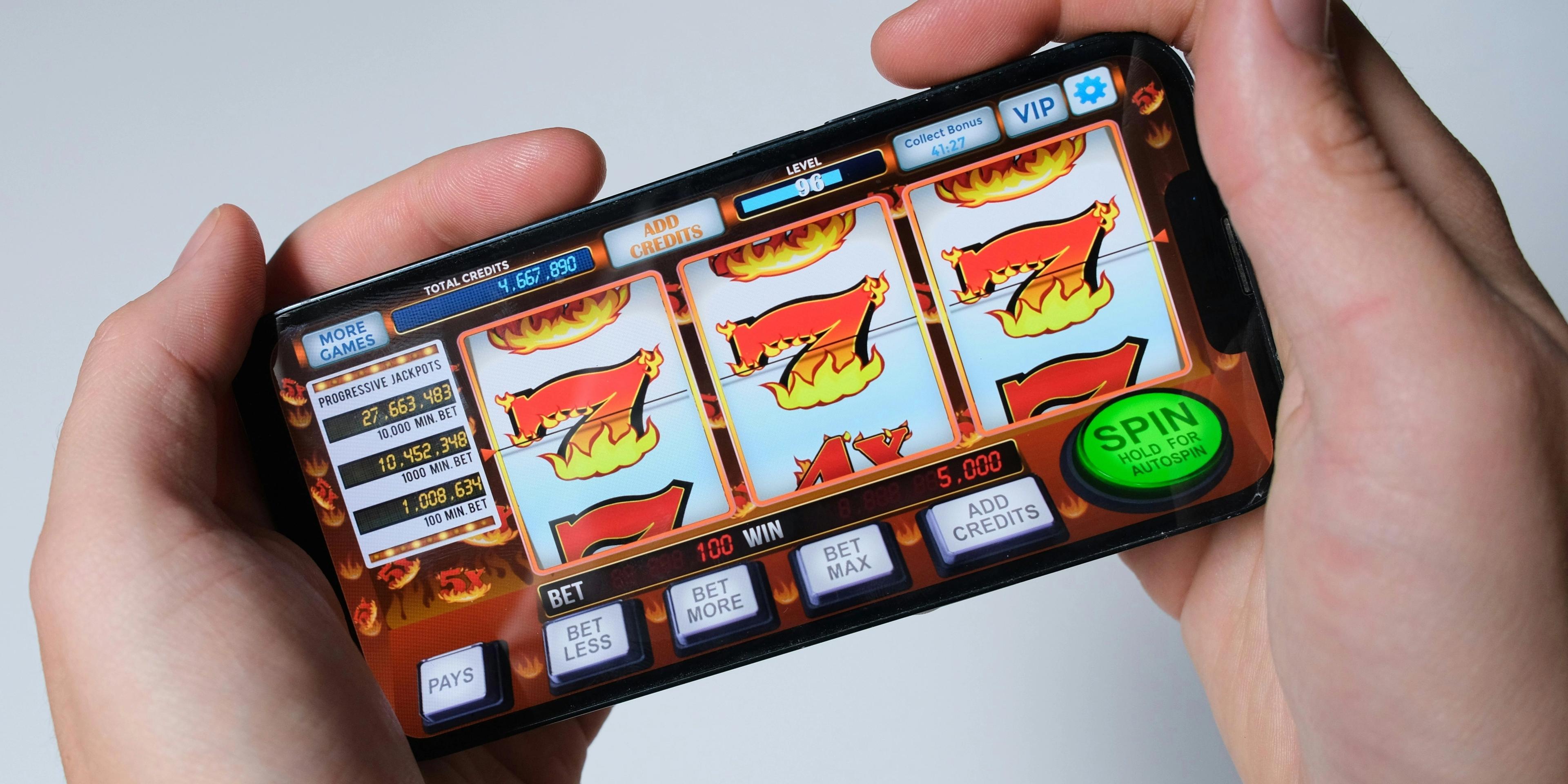
You open the app almost without thinking. One minute you are scrolling, and the next you are mid-session, wondering how it happened again. If you are searching for "how to stop myself from playing online slot gambling", you are not broken, and you have not failed. Online slot games are engineered, at a technical level, to keep you coming back, and recognizing that is the first honest step toward changing it.
No Dice was built for exactly the moment you are in right now: aware that something needs to change, not yet sure what to do about it. It is not a program you enroll in or a system that judges your history. It is a private tool you can pick up on your own terms, when you are ready.
Keep reading to learn why online slots are so hard to step away from, what you can do in the next 24 hours, and how to rebuild a sense of control that lasts. Every step in this guide is something you can take privately, at your own pace, without making a big announcement to anyone.
Why Slot Games Keep Pulling You Back
Online slots are not hard to stop because of a flaw in you. They are hard to stop because of specific design choices made by the people who built them.
How Fast Rewards Disrupt Clear Thinking
Every spin takes two to three seconds. That speed matters more than most people realize. When rewards come that fast, your brain's dopamine system fires before the thinking part of your brain can catch up. The result is a kind of cognitive fog where the next spin feels more important than any other thought you were having.
This is not a metaphor. Research into reward learning shows that rapid, variable rewards train the brain to prioritize seeking over reflecting. Slot machines use exactly this mechanism, and online slots deliver it faster than any physical machine ever could. Feeling pulled back in is a predictable response to a system designed to produce that response.
Why Near Misses Feel Personal
A near miss, two matching symbols, and one that is just off, feels like you almost won. It feels like the result of something you did. In reality, near misses are programmed outcomes, not accidents. The software generates them at a rate above random chance, specifically because they increase the urge to play again.
Your brain reads a near miss as unfinished business. That feeling of almost is a manufactured signal, not a real indicator that a win is close. Knowing this does not make the feeling disappear, but it gives you something to hold onto when the urge starts: that sensation was placed there on purpose.
How Access on Your Phone Keeps the Cycle Going
Physical casinos require travel, cash, and time. Online slots require none of those. The moment a trigger hits, such as stress, boredom, or a difficult moment at the end of the day, the game is three taps away. That closeness collapses the gap where a decision might normally happen.
This is why effort and friction matter so much. The goal is not to rely on a single decision made once. It is to rebuild the gap between the urge and the action, one small barrier at a time. That is exactly what the next section covers.
What To Do in the Next 24 Hours
You do not need a full plan before you take the first step. Three small actions in the next 24 hours can shift the pattern more than any single big decision.
Remove Fast Access Points
Delete the app from your home screen, or delete it entirely. Log out of any browser-based casino sites and clear saved passwords. These are not permanent commitments; they are just friction. The goal is to make the path to playing slightly longer, so you have time to notice an urge before it becomes a session.
If the app is tied to a saved payment method, remove that card from the platform's settings. Each of these steps takes under two minutes and costs nothing. Together, they reduce the number of automatic, low-effort routes back to playing.
Create a Short Pause Plan for Urges
Decide right now what you will do for ten minutes when an urge hits. Not if one hits. When. Having a plan ready removes the need to make a decision under pressure.
Your plan can be simple:
- Step outside or move to a different room
- Text a friend about anything
- Make a drink, eat something, or wash your face
- Open a specific app, playlist, or video you have queued up
The point is not to distract yourself permanently. The point is to get ten minutes between the urge and the action. Most urges lose intensity within that window.
Tell One Safe Person What You Are Changing
You do not need to make a formal announcement or call it an addiction. You just need one person who knows you are making a change. That might be a friend, a partner, a sibling, or anyone you trust to be calm and non-judgmental.
Saying it out loud, even once, makes the intention more real. It also gives you someone to text in a difficult moment, which is more useful than willpower alone. You get to decide how much you share and when. This is your process.
Knowing your environment is part of the picture, the access points, the urge triggers, the moments of vulnerability, sets you up to think about the next layer: making playing structurally harder over time.
How To Make Playing Harder
Reducing how often you play is easier when the path to playing requires genuine effort. These steps add friction at the specific points where most people slip.
Change Payment and Deposit Settings
Most online casino platforms allow you to set deposit limits, cooling-off periods, or spending caps inside your account settings. Using these is not an admission of anything; it is using a tool the platform is legally required to offer.
Setting
What It Does
Where To Find It
Deposit limit
Caps how much you can add per day or week
Account settings or responsible gaming tab
Cooling-off period
Temporarily suspends your account
Responsible gaming or support section
Self-exclusion
Blocks access for a set period, often 6 to 60 months
Responsible gaming, may require ID
Reality check alerts
Pops up after a set time in session
Session settings or preferences
Set at least one of these before you close this article. The five minutes it takes can matter a great deal on a harder day.
Block Triggers Across Devices
Blocking casino sites at the device or network level adds a layer that does not depend on your mood. Most smartphones allow you to restrict specific sites through screen time or parental controls settings, and you can set a separate passcode so the restriction is not easy to undo in the moment.
You can also ask your internet provider about content filtering at the router level. This blocks access on every device connected to your home network without requiring per-device setup.
Set Up Friction Before Nighttime or Payday
Most sessions happen late at night or just after money comes in. Those are the two highest-risk windows for most people who want to stop playing online slots. Knowing that in advance lets you prepare.
Set a phone bedtime that limits app access after a certain hour. On paydays, consider moving funds into a separate account or asking a trusted person to hold onto a card temporarily. These are not punishments. They are planned responses to patterns you have already noticed.
Friction at the structural level is powerful, but it works best alongside a real strategy for the moments when the urge hits hard anyway.
What To Do When the Urge Hits
Even with good barriers in place, urges still arrive. The goal is not to eliminate them. It is to get through them without acting on them.
Use a Ten-Minute Delay
When an urge hits, commit to a ten-minute wait before doing anything. Set a timer if that helps. Most urges peak and then decrease within five to fifteen minutes, even if they feel permanent in the moment.
During those ten minutes, do not try to argue yourself out of the urge. Just delay. The decision you make after ten minutes will almost always be calmer than the one you would have made immediately.
Shift Your Body Before Your Mind Catches Up
Physical movement changes your mental state faster than reasoning does. Stand up. Walk to another room. Go outside, even for two minutes. Splash cold water on your face. These are not tricks. There are ways of interrupting the physiological state that makes urges feel urgent.
Your body and your mind are connected in both directions. Changing what your body is doing shifts what your mind is focused on. It does not require a gym or a routine. It just requires moving.
Track Patterns Instead of Judging Yourself
Keep a simple note on your phone. Each time an urge hits, write down the time, where you were, and what you were feeling just before. You do not need to analyze it. Just record it.
Over a few days, patterns usually emerge. You might notice that urges cluster around certain times, emotions, or situations. That awareness is useful because it lets you prepare for those moments rather than be surprised by them. Tracking is not self-criticism. It is data that puts you in a more informed position than you were before.
What you build over days and weeks is not just the ability to get through one urge. It is the foundation of a new routine, which is what the next section is really about.
How To Rebuild Control Over Time
Getting through an urge is one thing. Building a life where gambling takes up less and less space is a longer process, and it is one you can approach, step by step.
Replace the Routine, Not Only the Habit
Slot sessions often fill a specific role: winding down after work, filling dead time, managing a feeling that is hard to name. If you remove the sessions without replacing what they were doing, the gap creates pressure.
Think about what function the sessions were serving and find a replacement that meets some of that need. This does not have to be dramatic:
- If sessions helped you decompress, try a walk, a game with no stakes, or a show you can lose yourself in
- If they fill idle time, try a hobby with a learning curve, something that occupies the same part of your attention
- If they were a form of social connection, look for low-pressure group activities or online communities around something you actually enjoy
The replacement does not have to be perfect. It just has to be real.
Protect Your Money From Impulse Decisions
Financial protection is not just about saving money. It is about removing one of the most powerful levers the urge uses. When access to funds requires a step or two, the automatic nature of an impulse session breaks down.
Consider a separate bank account with a small spending buffer that you do not have direct card access to. Some people ask a trusted person to hold onto a card during high-risk periods. Others use prepaid cards with a set limit for discretionary spending. None of these is a permanent arrangement; they are just useful while you are rebuilding your relationship with money and control.
Know When Extra Support Could Help
Some people do well with the steps in this article and a supportive friend. Others find that a conversation with a counselor or a peer support group makes a meaningful difference. Both are valid paths, and neither one cancels the other out.
The National Problem Gambling Helpline is available by call, text, and chat, 24 hours a day, across all 50 states. It is free, private, and judgment-free. If you are not ready for that conversation yet, that is fine too. You do not have to reach a crisis point to deserve support.
A Private Way To Start Today
Starting does not have to look like a declaration. It can look like one small, private decision that you make for yourself.
Choose One Step You Can Keep
Pick one action from this article, just one, and do it before you close this tab. Delete the app. Set a deposit limit. Write down your first urge note. Tell one safe person something small. The action you choose matters less than the fact that you chose it.
Big changes tend to start with small, repeated decisions. The first one does not need to be visible to anyone, nor does it need to signal a new identity. It just needs to be real.
Focus on Progress, Not Perfection
There will be days that go well and days that do not. A session you did not plan does not erase the days you managed differently. It is information, not a verdict.
Progress in this area rarely looks like a straight line. Most people who have genuinely reclaimed control describe a gradual shift, not a single dramatic turning point. Treating every step forward as meaningful, even the small ones, is not just a mindset exercise. It is an accurate way of seeing what is actually happening.
If you are ready to put something between the urge and the action, No Dice is built for exactly that moment.
Frequently Asked Questions
What Are the Fastest Ways To Block Online Casinos on My Phone?
The fastest options are deleting the casino app, logging out of browser-based sites and clearing saved passwords, and using your phone's built-in screen time or restrictions settings to block specific sites. These take under five minutes each and do not require any third-party software.
How Can I Permanently Block Gambling Sites Across All My Devices?
You can set content filters through your internet router, which blocks access on every device connected to your home network. Many smartphone operating systems also allow you to restrict categories of websites through parental controls, with a separate passcode to prevent easy override.
Can I Put a Self-Exclusion in Place for Online Casinos, and How Does It Work?
Yes. Most licensed online casinos are required to offer self-exclusion options in their account settings, often under a responsible gaming or player protection tab. You can typically choose a period ranging from six months to several years, and the platform is required to close your account for that duration.
Why Do Online Slots Feel So Hard To Step Away From, Even When I Want To Pause?
Online slots use a variable reward system, meaning wins are unpredictable, which is the same mechanism that makes other compulsive behaviors hard to interrupt. Near misses are programmed to appear more frequently than chance would produce, keeping the brain in a state of anticipation. This is by design, not a reflection of your character.
What Practical Steps Can Help Me Reduce Triggers and Reclaim Control of My Time Online?
Start by identifying your highest-risk times, usually late at night or around payday, and add friction to those windows specifically. Set device-level restrictions, move funds out of easy reach, and have a short activity plan ready for when an urge arrives. Small, consistent steps build more durable control than single large decisions.
How Can I Ask for Private, Judgment-Free Support Without Making a Big Announcement?
You do not need to explain everything or use any particular label. Texting or chatting with the National Problem Gambling Helpline is available 24/7, completely private, and does not require you to identify as an addict or commit to any program. Starting privately, with one conversation or one tool, is enough.
Take Your First Step Toward Reclaiming Control
Ready to Reclaim Control? You don't have to do this alone or all at once. By choosing to stop playing online slots, you are choosing a path toward clarity and stability.
Every small adjustment you make today builds the foundation for a healthier tomorrow. No Dice offers a judgment-free space to help you stay on track. Start today and begin building the distance you need to feel like yourself again.