
When gambling rituals start to feel hard to ignore, it can leave you feeling stressed, secretive, or stuck. What once felt small or comforting can slowly turn into something that shapes your choices more than you want it to.
No Dice offers a private, anonymous way to look at these patterns without labels or judgment. You do not have to explain everything perfectly to begin.
This article looks at why gambling rituals can feel so powerful, how they connect to urges and routine, and what small steps can help you feel steadier again.
What Are Gambling Rituals?
Gambling rituals are repeatable actions you do before, during, or after betting. They might feel like harmless habits or small routines that make you feel luckier, calmer, or just a bit more in control.
These rituals are specific behaviors tied to placing bets. Maybe you always wear a certain shirt, wait a set time before playing, or tap a machine in some odd pattern. The odds don’t change, but somehow the action feels meaningful.
Rituals often start after repeated wins or losses. If something good (or bad) happens after you do the action, your brain links the two. With time, the action becomes a cue—you expect the same outcome next time.
Some rituals are private, quiet things you do at home. Others play out in casinos or online, like refreshing a page a certain number of times before betting. They can even grow into more complex routines you follow almost without thinking.
Psychological Roots of Rituals
These rituals grow out of how your brain wrestles with uncertainty and reward. Gambling is all about chance, so rituals give your mind a sense of control, even if it’s fake. Doing something—anything—feels better than just waiting for random luck.
They also help with anxiety. If you’re nervous about losing, a predictable routine calms you down. That routine signals safety, and sometimes it slows the racing thoughts or urges just enough to keep you steady.
Reinforcement plays a part, too. If a ritual happens near a win, your brain stores that link—even if it’s just a fluke. Even tiny, rare wins can make the ritual stick. Eventually, the ritual might feed the urge to gamble more, because you start expecting the same pattern to repeat.
Common Characteristics
Most gambling rituals share a few key features: repetition, timing, and this feeling of control. You repeat the action every time you gamble. It usually happens at a set point right before a bet, for example. And you believe (even if you know better) that it helps your luck.
These rituals are usually simple and quick. Some people count money a certain way, check their phone at the same moment, or carry a lucky charm. Others are mental—maybe you say a phrase or picture a past win in your mind.
They seem harmless at first, but can be tied closely to urges and choices. If you start noticing your rituals, you’ll spot patterns in your behavior.
Popular Gambling Rituals Around the World
People use all sorts of rituals to feel luckier, calmer, or just a bit more in control when gambling. These range from visible casino habits to cultural superstitions and tiny personal charms that travel with you.
Famous Casino Rituals
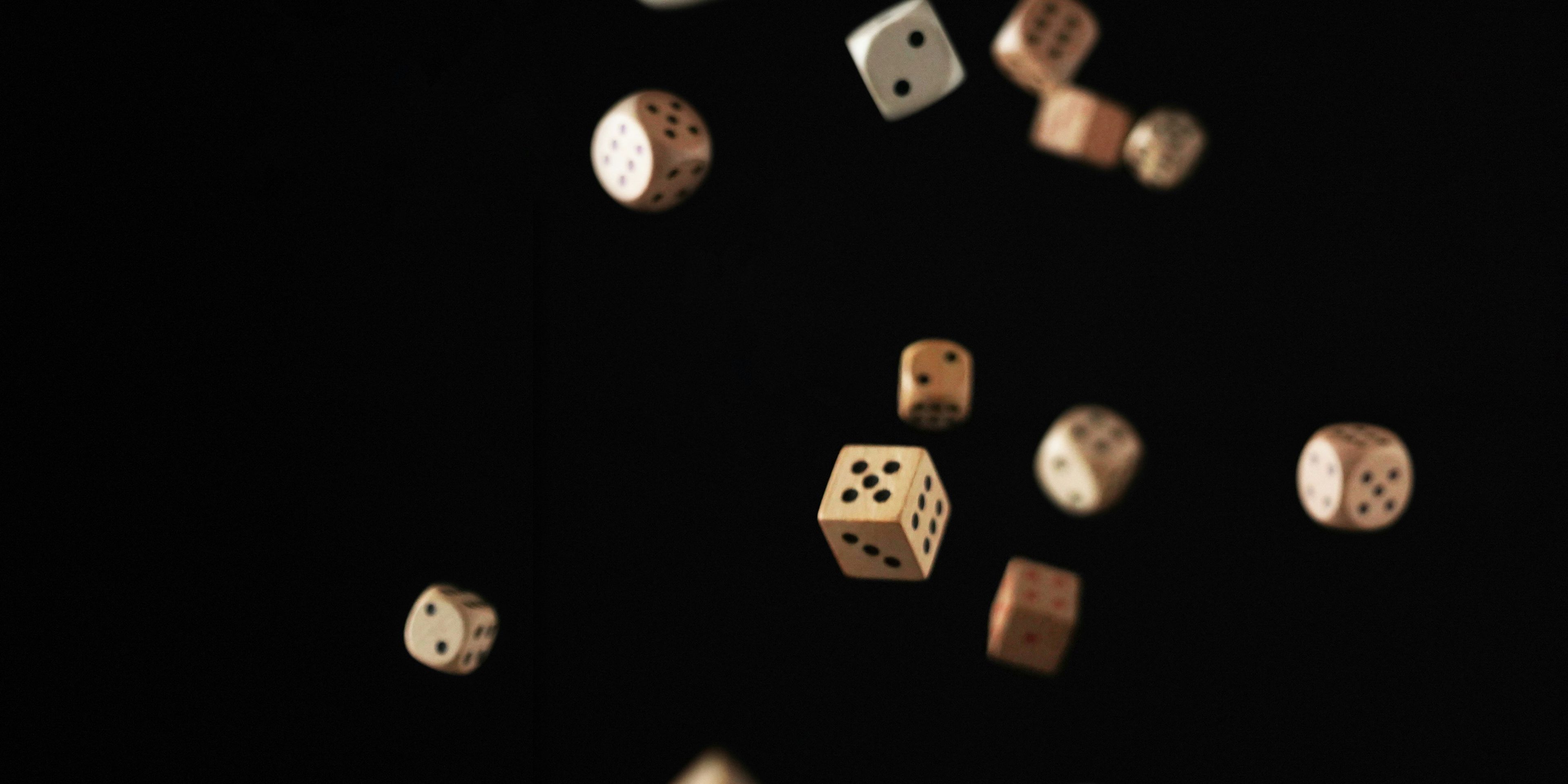
Casinos bring out some pretty visible routines. You’ll see players tap slot machines three times, blow on dice at craps tables, or touch the rail before sitting down. These acts help you feel ready and focused—or maybe just less anxious.
High rollers often stick to strict patterns. They show up at the same time, sit in the same seat, and order the same drink. Consistency, even if it’s a little odd, builds a sense of control when the outcome’s a toss-up.
Dealers notice rituals too. Some players avoid crossing the dealer’s hands or demand a specific deck cut. These quirks can shape how you read the table and how steady you feel during play.
Cultural Superstitions
Superstitions depend a lot on where you are. In Japan, some players avoid the number four because it sounds like “death.” In China, people love the number eight for its association with wealth and often choose seats or machines associated with it.
In Western countries, black cats, lucky pennies, or wearing a “lucky” color pop up at tables and tracks. In Latin America, carrying a small saint medal or saying a prayer before betting is pretty common.
These customs give you a shared language with other players. They help ease anxiety and create rituals that feel meaningful, even if they don’t change your odds.
Personal Good Luck Charms
People use all sorts of simple items as charms. Coins, rings, rabbit’s feet, or photos of loved ones show up in pockets and purses. You might rub a coin, touch a charm, or just keep it close while you play.
Rituals often pair up with routines. You might always check your wallet, set a lucky item on the table, or quietly repeat a phrase. These habits aim to steady your thoughts and cut down on impulse decisions.
If a charm starts to feel like a crutch, maybe it’s time to rethink its role. Sometimes it helps to ask yourself if it’s actually helping or just another habit you could tweak.
Psychology Behind Gambling Rituals
Rituals can make you feel like you’ve got some control, ease stress, and totally change the way you make choices. They grow out of hope, fear, or just habits that link actions to outcomes, sometimes for no real reason.
Belief in Luck
Maybe you use rituals because you think they shift the odds. Small acts—touching a coin, wearing a “lucky” shirt, repeating a phrase—create this feeling that luck’s on your side. That comes from wanting something predictable in a risky situation.
It’s comforting, even though it’s not really true. Your brain remembers the wins that follow a ritual and forgets the losses, which just strengthens the habit. Eventually, the ritual is a cue: do it, and you expect good results.
Spotting this pattern helps you separate chance from choice. You can test a ritual by tracking outcomes and feelings, and maybe asking yourself if the action actually changes anything or just your sense of control.
Coping Mechanisms
Rituals often act as coping tools when you’re stressed, bored, or feeling a little ashamed. Maybe you use a routine to calm your nerves before a bet or to hide awkward feelings after a loss. These actions take the edge off in the moment.
Coping rituals can also keep you from facing why you gamble. They might make you avoid talking about money, triggers, or the harm gambling causes. That keeps problems buried and makes it harder to change.
You could swap out risky rituals for safer habits that scratch the same itch. Breathing exercises, a short walk, or even just stepping away for a bit can give you calm without feeding the gambling urge.
Influence on Player Behavior
Rituals shape how you act while you play. They might push you to chase losses, stick with a machine longer, or risk more after a “near miss.” These effects come from feelings, not any real shift in odds.
Group play has its own quirks. If friends praise a routine, you might copy it, feeling pressure to keep it up. That social nudge makes the ritual even stickier and harder to break.
Tracking your rituals and the choices that follow can reveal patterns. Jot down triggers, actions, and outcomes. With that info, you can try small, specific changes—skip a ritual, limit your time, or reach out for private guidance—to nudge your behavior in a better direction.
Types of Gambling Rituals
People use rituals before, during, and after gambling to feel more in control, cut anxiety, or chase luck. These routines might help you manage stress, but if they get too rigid or costly, they can hide risky patterns.
Preparation Rituals
Preparation rituals happen before you gamble. Maybe you set a strict bankroll or pick a specific time and place. Some folks make a checklist: set loss limits, decide on a stop time, and ditch payment methods. That can keep your money and time in check.
Others lean on calming actions like breathing exercises, listening to the same playlist, or wearing a “lucky” item. Those can lower anxiety, but might turn into crutches you feel you need just to start. Keep rituals that support clear rules, like writing your limits, and try to limit superstitious habits that push you to spend more.
If you coach yourself, use steps you can actually measure: withdraw a set amount of cash, turn off cards, and tell one trusted person your plan. Those moves protect you from impulse choices and make it easier to stop when you mean to.
In-Game Rituals
In-game rituals are all about how you play. Maybe you always bet the same pattern, tap the table in a certain rhythm, or sit in a specific seat. These actions give you a sense of routine and predictability when things feel up in the air.
Other rituals might be tracking wins and losses in a notebook, pausing between bets, or repeating short phrases to stay calm. They can help you think more clearly if you include regular check-ins with your limits. Watch out when rituals nudge you to bet more after a loss or chase wins—that’s a classic risky shift.
Simple rules can keep rituals helpful: take a five-minute break every half hour, check your running total after each session, or switch to a non-monetary task when urges spike. Practical, safety-focused rituals do a lot more good than superstition ever will.
Post-Game Rituals
Post-game rituals help you process the session and decide what’s next. Maybe you log results, review if you stuck to your limits, or just jot down feelings like stress or relief. That habit builds data you can use to spot patterns over time.
Other responses include self-care moves: walk, stretch, call a supportive friend, or do a quick breathing exercise. Try to avoid rituals that numb feelings, like opening another betting app or gambling to “recover” losses. That just drags things out.
If you use support tools, mix honest logging with one small action: set a low-stakes goal for the next day, schedule a check-in with a coach, or use an app feature that locks play for a set time. Those choices help you keep control and respect your limits.
Rituals in Different Gambling Games
Players use rituals to feel in control, chill their nerves, or just mark routines. You’ll see habits tied to place, timing, and small actions across table games, machines, and sports bets.
Poker Table Traditions
At poker tables, you’ll spot tight routines that help you stay focused. Some players arrange chips the same way, count silently before acting, and touch a lucky card protector. These actions create a steady rhythm and help cut down on decision stress.
You might notice how players handle their cards. Some peek quickly, others take their time. That timing can be a personal cue to calm nerves or to mask tells from others.
Verbal rituals matter, too. Players often use set phrases when betting or folding. Maybe you settle on a short, consistent line to keep your choices clear and avoid impulsive calls.
Slot Machine Habits
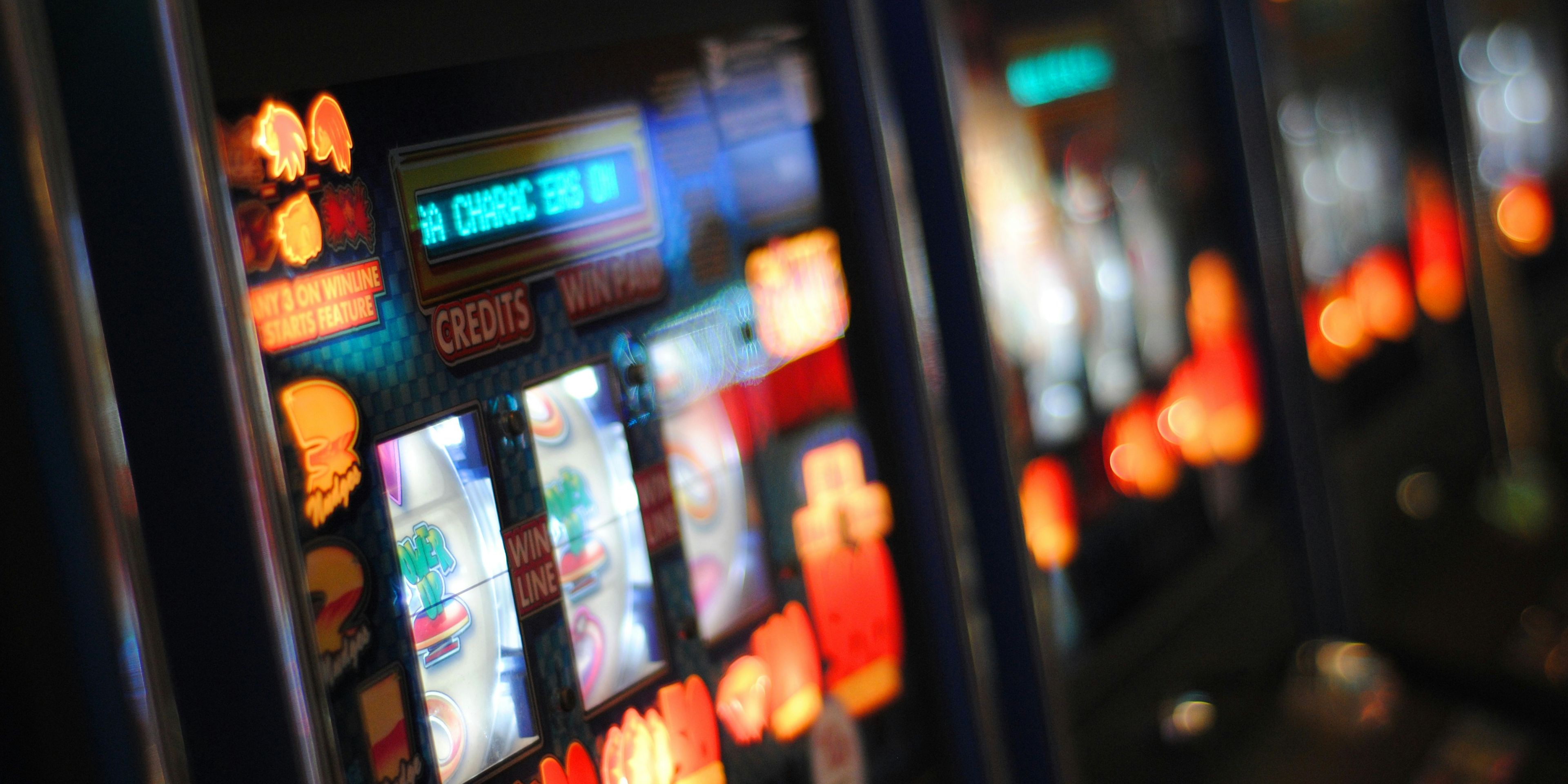
Slot players stick to short, repeatable steps to keep play predictable. You’ll see people use the same machine at the same time, insert cash the same way, and press the button or pull the lever with a practiced motion. These acts can feel oddly comforting.
Pacing’s a thing; you might set a coin limit or use a session timer. Some switch machines after a certain number of spins. These rules help protect your bankroll and keep play from dragging on forever.
Some players carry a talisman, like a coin or token. If that starts feeling unsafe or costly, swap it for a rule: stop after X spins or when you hit Y loss. That way, you keep a ritual but add a clear safety net.
Sports Betting Practices
Sports bettors lean into rituals tied to research and routine. You’ll see people follow the same tip sources, check stats at set times, and keep a betting log. Writing down why you placed a bet helps you learn from wins and losses.
Many bettors use staking rules before the event. Maybe you fix a percentage of your bankroll per bet or use flat stakes to dodge chasing losses. Pre-bet routines—like a short checklist—can cut down on emotional decisions during live games.
Social rituals pop up, too. Some folks join a weekly group chat or watch games with the same friends. If that group pushes risky choices, it might be better to keep your rules private.
Social and Cultural Impact of Gambling Rituals
Gambling rituals shape how people meet, how families share stories, and how communities handle wins and losses. They can create belonging, spread habits across generations, and even affect local economies and social norms.
Community Rituals
Rituals pop up at bingo halls, racetracks, and card nights all over town. People show up at the same time, greet the “house,” exchange lucky trinkets, and settle into routines that make them feel like they belong.
These shared actions take the edge off nerves before betting. Familiarity brings comfort, and honestly, who doesn’t want to feel a little more at ease?
Rituals also set the tone for money and behavior. Some groups cap the stakes, others rotate snack duty. Big wins might get a cheer or a silly ceremony—rules like these shape what feels risky and what feels just “part of the game.”
It’s not all harmless fun, though. Sometimes rituals can blur the line between normal play and something more harmful. If you catch yourself getting nudged into extra bets by group routines, it might be time to step back and check in with yourself.
Traditions Passed Through Generations
Gambling rituals often run in families. Maybe you learned a card trick from your dad or got handed down a “lucky” coin. Those little traditions tie gambling to family memories and special occasions, which can make them feel safe and warm—even when they’re not.
Kids pick up on these rituals fast. Watching adults make regular bets or treat gambling like a family hobby can make it seem normal, and that habit can add up to real financial risk later on.
Some families tweak their rituals to keep things safer. They set betting limits, turn games into low-stakes hangouts, or swap money for silly prizes. If you want to change up a family tradition, start small—keep the fun, ditch the risk. It’s doable, even if it feels weird at first.
Scientific Research and Studies on Gambling Rituals
Researchers have dug into why rituals matter in gambling. They look at how rituals connect to feeling in control, getting emotional comfort, and building habits. Methods range from surveys to brain scans—science gets pretty creative here.
Key Findings
Turns out, gambling rituals can actually calm people down before risky bets. In labs, folks who follow a routine feel more confident, even if nothing really changes. Lucky shirts, favorite seats, and pre-bet habits show up everywhere in surveys.
Brain imaging links ritual actions to reward and habit circuits. So, the more you repeat a ritual, the more automatic it can feel. Some studies even suggest that strong rituals predict heavier gambling for certain people.
Behavioral research shows rituals might make you stick with a game even after losses. That sense of control is tricky; it can hide just how random gambling really is and push you toward chasing losses.
Current Theories
One idea is that rituals trick us into thinking we control chance. Doing a routine makes you feel like you’ve got some sway, even when you don’t. Another theory says rituals help manage emotions—calming nerves or narrowing focus before a bet.
Some researchers see rituals as learned behaviors. If you win after a ritual, your brain links the two. Social theories add that group and cultural rituals shape what feels “lucky” or “right” to you.
With gambling moving online, digital rituals are becoming a thing. Apps and websites give new cues and habits, often tied to device notifications or time of day. Changing these routines isn’t easy, but swapping out old habits for safer ones is possible.
How Gambling Rituals Affect Outcomes and Experiences
Rituals can totally change how gambling feels. Wearing a lucky shirt or always sitting in the same spot can calm you down and make the whole thing seem more under control. That feeling can keep you playing longer than you planned.
But let’s be real; gambling rituals don’t change the odds. The games are still random, and your routines don’t tip the scales. Believing otherwise might just tempt you into riskier bets.
How you feel after a win or loss gets tangled up with rituals, too. If you think a ritual brought you luck, you might keep betting to chase that high. On the flip side, rituals that cut stress can help you walk away before things get out of hand.
Some folks use rituals to fight urges. Simple stuff—taking a deep breath, stepping outside, setting a timer—can break up autopilot betting. These little actions can help you pause and rethink your next move.
Group rituals shape things as well. When everyone expects you to join in, it’s easy to spend more or ignore warning signs. Watch out for those social nudges, and try to keep your own limits in mind.
Stick to rituals that slow you down and don’t cost much. Trade risky traditions for small, positive habits that actually help you out. It’s not about quitting everything; it’s about making the game work for you, not the other way around.
Changing Attitudes Toward Gambling Rituals
People used to shrug off rituals as harmless quirks. Now, more folks are noticing how these habits can keep them stuck in a loop. It’s weird; something that once felt cozy can start to seem like a trap if it leads to losses or secrets.
Lots of cultures still love their little gambling routines. But you’re also seeing more people question whether those routines do any good. With research and personal stories out in the open, rituals aren’t just private beliefs anymore—they’re up for debate.
Online gambling has changed the ritual game. Apps and digital platforms create sneaky new habits, like always checking your phone or using the same login every time. Sometimes you don’t even notice until it starts eating up your time or cash.
Support options now focus on behavior rather than blame. You can explore your rituals and try out small changes without anyone judging you. Swapping out an old habit for something healthier doesn’t have to feel like a big deal.
Public messages these days talk about triggers and tiny steps. That’s a relief, honestly—it means you can tweak one thing at a time. No need to overhaul everything overnight; just try one change and see how it goes.
The Future of Gambling Rituals
As gambling shifts online, rituals will morph too. Habits that used to happen in person now move to apps and websites, which changes how they build up and how strong they feel.
New tech lets you spot patterns and triggers faster. A simple reminder can pop up when you start falling into a routine, nudging you to swap a risky ritual for something safer.
Expect rituals to get more private and personalized. A lot of people want support that’s quiet and nonjudgmental. Anonymous, gentle guidance and practical steps are in demand.
Group rituals might fade, but new ones will pop up. Maybe you’ll trade public bets for private routines or share your progress in closed, safe spaces. That can lower peer pressure, but it might also make it easier to hide struggles if you’re not careful.
Designers and helpers are zeroing in on micro-behaviors. Tiny, doable changes—like a quick distraction or a simple rule before betting—can slowly break up stubborn rituals.
Regulation and product design are getting more attention, too. Features like clear limits, easy self-exclusion, and gentle nudges can significantly reduce harm. Look for tools that keep things private and low-pressure, not flash and hype.
In the future, you’ll be able to spot your own patterns sooner. Track your mood, notice what sets you off, and try tiny tweaks. Small steps really do add up, even if it feels slow at first.
When Gambling Rituals Start To Feel Hard To Break
If gambling rituals have started to feel automatic or difficult to step away from, you are not alone. Many people reach a point where a small routine quietly turns into something that influences their choices more than they expected. Noticing the pattern is already a meaningful step.
No Dice offers a private space to explore gambling rituals and the habits around them without pressure or labels. You can look at triggers, urges, and routines at your own pace.
If you want to change how gambling rituals shape your decisions, you can start quietly. One small step—pausing, noticing a trigger, or trying a different response—can begin to shift the pattern.
Frequently Asked Questions
What are common good luck charms that gamblers often use?
Lots of people carry special coins, a rabbit’s foot, or a watch or ring they swear brings luck. Some keep a folded note or tiny token in their wallet, only touching it before a bet. Others have a lucky shirt or hat, maybe something they wore during a big win. Even old shoes can become a casino must-have—people are funny that way.
Which superstitions do players believe help them win in gambling?
Some folks avoid a seat if someone just lost theirs, or they won’t step on cracks, touch certain things, or cross paths with “unlucky” people. Changing the time of play or only betting on “lucky” dates is another common one. These beliefs give players a sense of control, even though the odds don’t budge.
What rituals do people perform before going to a casino?
People might set a spending limit, then do something like rub a coin or knock on a table. Others stop at a favorite shop or eat the same meal before every visit. Some folks listen to a certain playlist, breathe deeply, or write themselves a note about sticking to limits. Rituals can make you feel steadier, but they can’t change the games themselves.
Are there specific prayers or psalms considered lucky for gambling?
Some say a quick prayer, recite a favorite verse, or ask for protection before betting. What people do depends on their culture or faith—sometimes it’s just a silent wish or a little blessing. If prayer helps you relax, great, but it’s not a substitute for safe money habits.
How do people use the number 777 in gambling rituals?
777 is the jackpot symbol for a reason. People write it on notes, set it as their phone wallpaper, or only bet when they see lots of sevens on a slot machine. You’ll spot 777 on jewelry or used as a countdown before a spin. It’s a hopeful sign, but it doesn’t change your odds one bit.
In gambling circles, what are some words or phrases considered to bring good luck?
“Stay hot,” “one more,” and “ride the streak” pop up all the time. Folks might also say “begin again” or “third time’s the charm” when they want to shake off a loss and give themselves a boost.
Some players won’t say “I’m done” until they actually walk away, thinking it might jinx their luck. Words really shape how you feel at the table—ever notice how certain phrases nudge your decisions?